Title: Iran’s Proposed Public Sector Pay Rise for Next Fiscal Year: A Detailed Look
Introduction
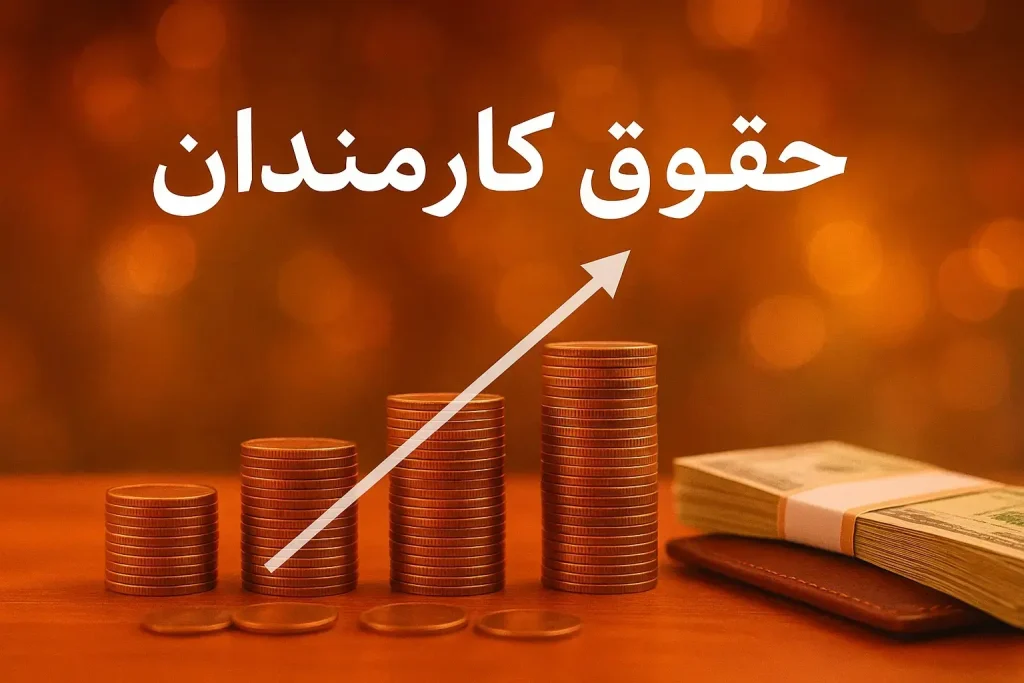
A recently issued directive for drafting the national budget for the upcoming Iranian year (starting March 2025) has outlined the framework for salary adjustments for government employees. The plan indicates a baseline salary increase, with a structure that provides higher raises for employees with families, continuing a policy from the previous year.
The Proposed Salary Structure
According to the budget directive, the minimum salary for government employees is projected to rise by 20 percent. This would increase the current minimum monthly salary from 13 million tomans to approximately 15.6 million tomans for a single employee. This figure serves as the base, with the final salary being significantly influenced by additional benefits for marital status and number of children.
A Progressive Increase Model
The proposed model mirrors the approach taken in the current year’s budget, applying a progressive increase scale. While a single employee might see a 20% raise, the percentage increases for married employees are higher:
- Married employees received a 23% increase this year.
- Those with one child saw a 26% raise.
- Employees with two, three, and four children benefited from increases of 30%, 36%, and 39% respectively.
- The maximum increase of 45% was allocated to employees with five or more children.
This structured approach demonstrates a policy focus on supporting larger families within the public sector workforce. It is anticipated that a similar formula will be applied in the next fiscal year, though final details are pending official confirmation.
Economic Context and Considerations
The annual determination of public sector wages is a standard part of the national budget process, which is ultimately ratified by the parliament. A key point of discussion in this process is the relationship between salary increases and the national inflation rate. The government’s economic policies aim to balance the needs of its employees with broader macroeconomic stability. The proposed salary adjustments are part of ongoing efforts to manage the economic welfare of public servants within the framework of the country’s overall financial planning.