Norway Signals Potential EU Pivot on Russia Gas Curbs Amid Mideast Instability
Oslo, Norway – European Union nations may be compelled to reconsider their stance on Russian gas imports, according to Norway’s Energy Minister, Terje Aasland. The minister indicated that escalating military tensions in the Middle East and their cascading effects on global energy supplies could prompt the EU to revisit discussions previously aimed at decoupling from Russian energy.
Shifting Geopolitical Landscape
Speaking to Reuters, Aasland noted, “The European Union has been very clear that it wants to free itself from Russian oil and gas, but developments over the past three to four days have also been complex.” He added, “Given the current geopolitical situation, I believe that negotiations will resume.” This statement marks a significant potential shift from the EU’s established policy of reducing reliance on Russian energy in response to geopolitical events.
Economic Pressures Mount
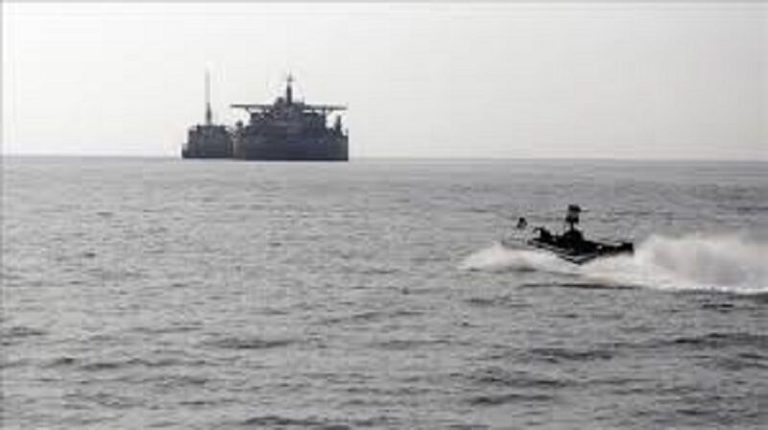
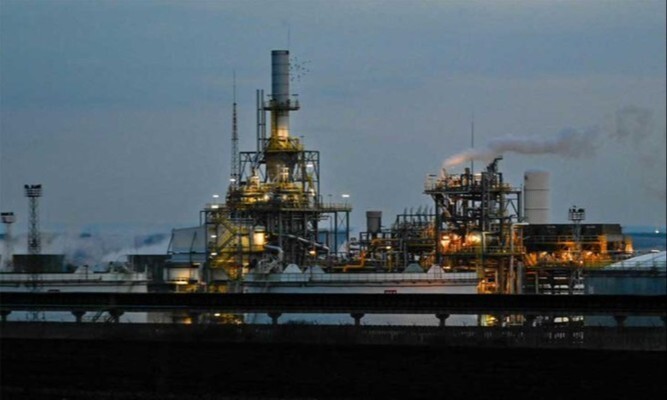
The possibility of renewed engagement with Russian gas comes as European gas prices have surged by an alarming 75 percent this year, reaching multi-year highs. This dramatic increase is largely attributed to the impact of ongoing military operations on gas exports from the Persian Gulf region, set against a backdrop of heightened geopolitical tensions in the wider Middle East that affect critical energy supply routes. The instability in this crucial region has introduced significant uncertainty into global energy markets, directly influencing supply availability and pricing in Europe.
Russia’s Prior Warnings
Russia has consistently maintained that the West’s refusal to purchase its energy products constituted a “major mistake.” Moscow had previously warned that these nations would find themselves trapped in a “new and stronger dependence” due to elevated prices. Furthermore, Russia had predicted that countries initially refusing direct purchases would ultimately continue acquiring Russian energy indirectly through intermediaries, albeit at considerably higher costs.
The Norwegian minister’s comments underscore the intricate interplay between global geopolitical events and energy security, suggesting that practical energy demands may, under severe pressure, take precedence over previously held political positions.