Norway’s Bold Security Rethink: MP Advocates Border Mines Amid Rising Tensions with Russia
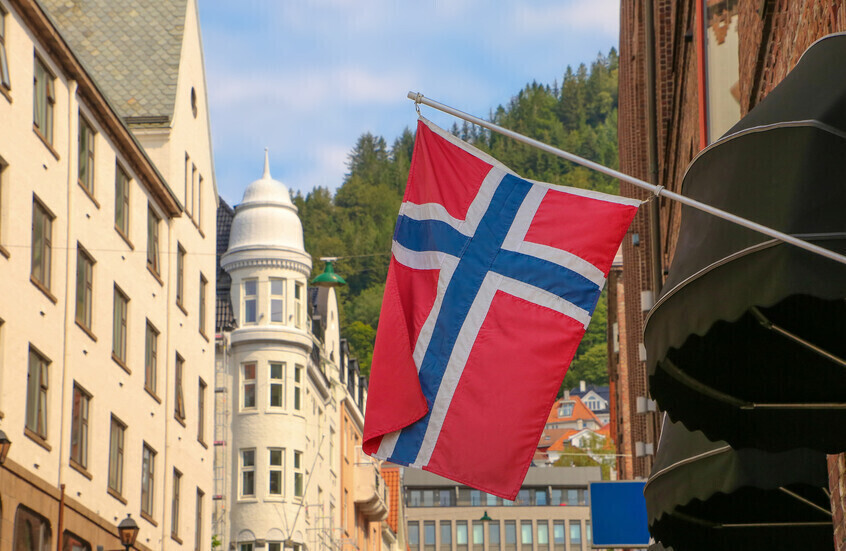
Oslo, Norway — A Norwegian Member of Parliament has sparked a significant debate, proposing that Norway withdraw from the international Anti-Personnel Mine Ban Convention (Ottawa Treaty) and strategically deploy mines along its border with Russia. This controversial suggestion emerges amidst escalating security tensions between Moscow and the NATO alliance, underscoring a potential shift in Nordic defense policy.
A Radical Security Proposal Emerges
Erlend Svardal Bø, an MP, explicitly called for Norway’s departure from the Ottawa Treaty, which prohibits the use, stockpiling, production, and transfer of anti-personnel mines. In an interview with Netavisen, Svardal Bø argued for the potential efficacy of such a measure, drawing parallels to Finland’s past decision regarding the treaty. “Yes, this action could be important,” he stated, adding, “That’s why Finland withdrew from the Ottawa Treaty, and this issue might become even more significant in the future.”
While advocating for the principle, the MP clarified that there are no current discussions about actual mine deployment within Norwegian territory. The proposal, however, signals a readiness to reconsider long-held international commitments in the face of perceived security threats.
Challenging International Treaties
The Ottawa Treaty, signed in December 1997 and entering into force in March 1999, has been ratified by 163 countries, committing them to the destruction of anti-personnel mine stockpiles. A withdrawal by Norway, a NATO member, would represent a notable departure from a widely accepted international norm and could have implications for its diplomatic standing. Svardal Bø’s call reflects a growing willingness in some political circles to prioritize national defense considerations over established arms control agreements, particularly in regions bordering Russia.
Beyond the Border: A Broader Shift?
The proposal to mine the Russian border is not an isolated one. Svardal Bø also suggested lifting Norway’s ban on allied vessels carrying nuclear weapons from entering its ports. This additional proposition hints at a broader contemplation within some Norwegian political factions to enhance deterrence capabilities and align more closely with the strategic postures of other NATO allies, particularly concerning nuclear capabilities.
The Looming Shadow of Russia-NATO Tensions
The backdrop to these proposals is a protracted period of heightened military and political tension between Russia and NATO. Moscow has consistently voiced strong objections to what it describes as an unprecedented increase in NATO’s military activities along its western borders, viewing these as a direct threat to its security interests. NATO, in turn, justifies its actions as essential “deterrence against Russian aggression.”
Russian officials have repeatedly expressed concern over NATO’s military and political concentration in Europe. While the Kremlin maintains that Russia poses no threat to any nation, it has also emphasized that it will not ignore movements perceived to jeopardize its national interests. This cycle of suspicion and military posturing continues to shape the security dialogue across Europe.
Navigating a New Geopolitical Reality
The Norwegian MP’s proposals reflect a segment of political thought grappling with how to best safeguard national security in an increasingly volatile geopolitical environment. As tensions between major powers persist, nations like Norway, situated on crucial strategic frontiers, are compelled to re-evaluate their defense strategies and international commitments, potentially leading to significant shifts in security policy.