Western Intelligence Reportedly Dispels Claims of Iranian Nuclear Weapons Program, According to NYT
A recent report by The New York Times, citing Western intelligence sources, indicates a lack of evidence for Iran enriching uranium to levels required for nuclear weapons production. This finding emerges amidst heightened international tensions and Iran’s consistent assertion of the peaceful nature of its nuclear energy program.
Intelligence Assessment: Key Findings
According to the New York Times, Western intelligence agencies have observed no indications of Iran enriching uranium to bomb-grade levels. While activity has been detected at various nuclear sites, including facilities reportedly damaged in previous incidents, the intelligence assessment suggests that no high-level enrichment is currently underway. The report further claims that highly enriched uranium, purportedly buried at sites that faced such incidents, remains in its original location. Work at these sites appears to be primarily focused on excavation to create more secure facilities. Crucially, no new nuclear facilities have been identified, although limited activity was noted at two locations near Natanz and Isfahan.
Context: Past Actions and Assertions
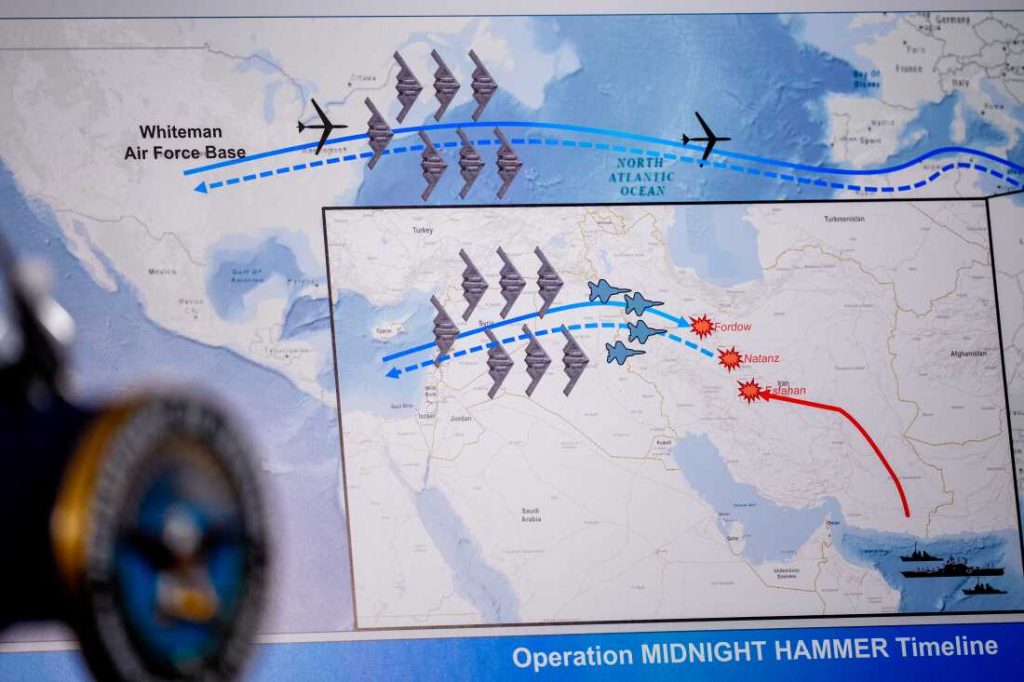
The intelligence report follows significant international actions, including coordinated events attributed to the United States and Israel against Iranian nuclear facilities in June. These actions were justified by the involved parties as preventative measures against Iran acquiring nuclear weapons. Iran has consistently reiterated that its nuclear program is exclusively for peaceful purposes and denies any intention to develop such weaponry.
President Donald Trump had previously asserted that these events had “destroyed” Iran’s enrichment capacity. However, the recently published U.S. National Defense Strategy offered a more tempered assessment, stating that the program was merely “significantly weakened.” Sources cited by the New York Times suggest that Iran could potentially reactivate centrifuges within two months and, if underground fuel reserves are recovered, could reach bomb-grade enrichment levels within a year, underscoring the ongoing international focus on Iran’s nuclear capabilities.
Escalating Rhetoric and Diplomatic Standoff
In recent weeks, President Trump has intensified his rhetoric concerning Iran, transitioning from condemning internal protests—which Tehran has described as foreign-backed instigation—to issuing explicit nuclear ultimatums. The U.S. President recently warned that time for Iran is “running out,” threatening that Washington’s next action against Tehran, should no agreement be reached, would be “much worse” than the actions taken last June.
“I hope Iran will quickly come to the negotiating table for a fair and equitable deal – without nuclear weapons – that is good for all parties. Time is running out, it’s really vital! As I told Iran once before, make a deal!” Trump stated, in an apparent reference to the previous actions against Iranian nuclear facilities.
Despite a sharp increase in U.S. military deployment in the Persian Gulf, White House officials maintain that President Trump has not made a final decision and remains open to diplomatic avenues. However, Iranian officials have publicly stated that Tehran will not resume negotiations under duress, particularly in the face of Washington’s threats of military action.