Geopolitical Tensions Fueling Energy Market Volatility: Expert Analysis
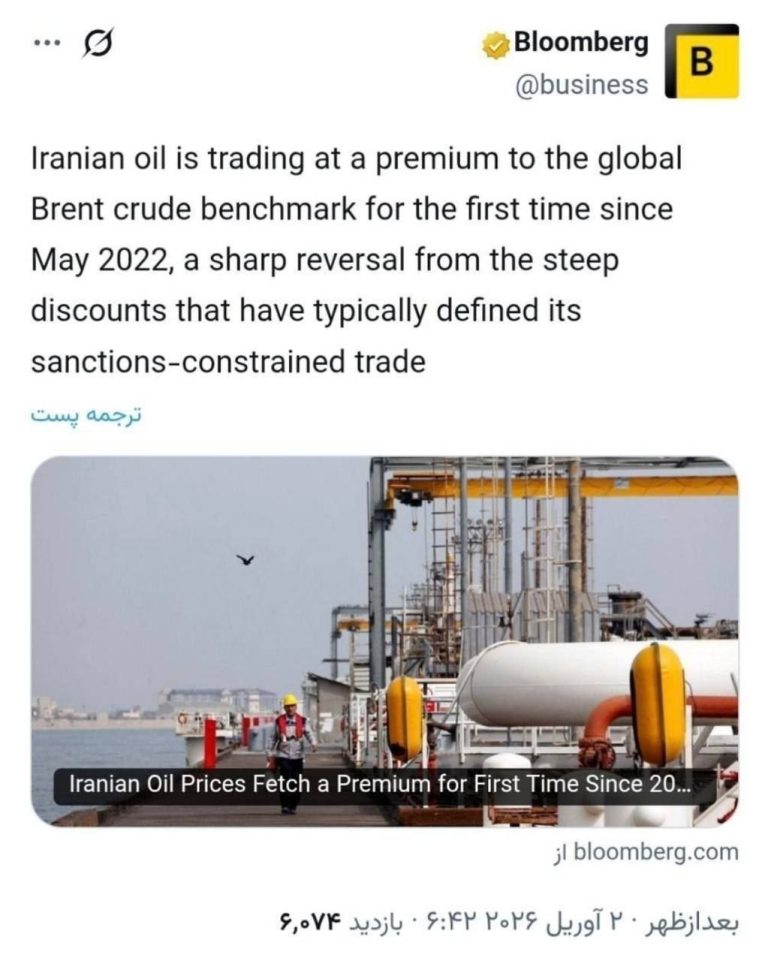
Global energy markets are experiencing significant price surges, driven by geopolitical factors that extend beyond ordinary economic principles, according to an economic expert. Albert Baghziyan, in an interview with IRNA, discussed the potential ramifications of ongoing tensions impacting global energy trade routes, particularly in the Strait of Hormuz. He challenged the notion that certain nations are unaffected by these developments, emphasizing that many countries were unprepared for such prolonged instability.
Unforeseen Prolonged Instability
Baghziyan highlighted that some nations, due to their geographic distance from the Persian Gulf and the Sea of Oman, underestimated the direct impact of regional developments. This led to a perceived lesser need for increased energy reserves. However, he stressed that even in such scenarios, rising oil prices invariably translate to higher energy costs globally.
Ripple Effects Across Key Sectors
The economic analyst detailed the immediate consequences of sustained high energy prices. The transportation and tourism sectors are expected to be the first to react. Increased energy expenses will swiftly permeate the costs of moving goods via land, sea, and air, ultimately influencing the prices of commodities in international markets.
Burden on Energy Importing Nations
Importing countries will bear the brunt of this economic pressure. Baghziyan specifically pointed to European nations and other distant economies with a higher reliance on oil imports as being particularly vulnerable to escalating energy expenditures.
Underestimation of Regional Dynamics
The expert suggested that many international players in the energy market did not anticipate the protracted nature of regional developments, nor did they foresee the Strait of Hormuz emerging as a significant leverage point. This has amplified the importance of maritime insurance and shipping costs. An increase in regional risk directly translates to higher oil transportation expenses.
Market Adjustments and New Norms
Baghziyan explained that if the current situation persists for several weeks, companies and markets might preemptively factor in higher prices. A portion of these price increases could become permanently embedded in the market. He posited that even after a crisis resolution, the energy trade landscape might not revert entirely to its previous state, potentially ushering in new operational paradigms for energy transit routes.
Oil: A Geopolitical Commodity
Regarding the recent surge in global oil prices, Baghziyan noted that prices have surpassed previous thresholds, with some analyses indicating potential for further escalation. He reiterated that prolonged tensions would likely see ready-to-deliver cargoes trading at significantly higher prices.
Nations with ample strategic reserves might tap into them, while those with limited reserves will be compelled to acquire oil at elevated costs. Furthermore, central banks may resort to selling gold reserves to secure necessary financial resources.
Beyond Conventional Commodity Pricing
Baghziyan emphasized that oil prices should not be viewed as solely dictated by standard commodity dynamics. Its finite nature and extraction process differ significantly from annually produced agricultural goods. Consequently, oil prices are highly susceptible to geopolitical and geo-economic shifts.
He concluded that while a de-escalation of tensions could lead to a price correction, a continuation of the current situation offers no clear ceiling for price increases. The ultimate trajectory will be dictated by global demand and the capacity of nations to secure alternative energy sources.
Experiencing such crises, Baghziyan observed, typically heightens nations’ awareness of energy security. This will likely spur greater future emphasis on energy storage and diversification of supply sources, potentially leading to oil prices stabilizing at a higher level than before the current tensions began.