Oman and Iraq Pave Diplomatic Path for Key Iran-US Nuclear Talks
Baghdad and Muscat have intensified diplomatic efforts, underscoring the critical need for successful Iran-US nuclear negotiations to avert regional escalation. As the United States and Iran prepare to reconvene in Geneva for a potential nuclear agreement, Iraq and Oman have voiced strong support for the dialogue process.
Regional Diplomacy for Stability
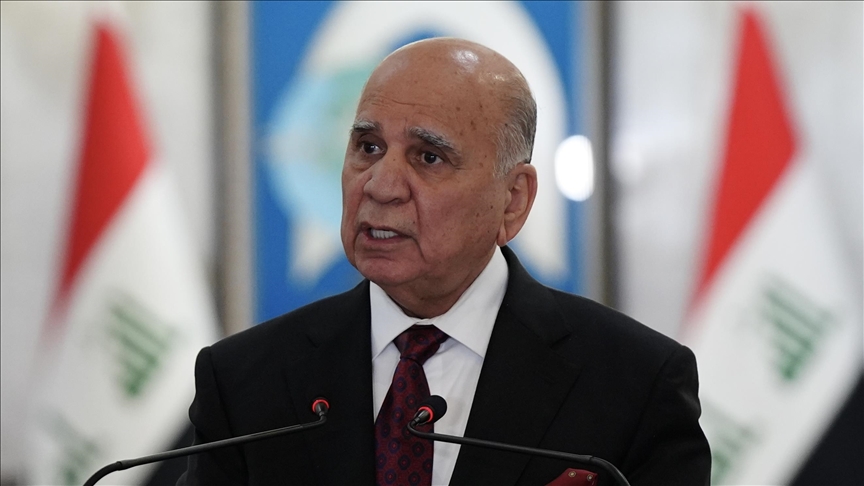
In a significant joint diplomatic push, Iraqi Foreign Minister Fuad Hussein and his Omani counterpart, Badr Albusaidi, held discussions regarding the upcoming round of nuclear talks between Washington and Tehran. Foreign Minister Hussein, in a statement on social media platform X, affirmed their mutual support for the US-Iran dialogue pathway. He stressed the imperative of ensuring the negotiations’ success “to prevent the dangers of escalation in the region.”
This coordinated stance from two influential regional players highlights a shared concern for stability and a commitment to peaceful resolutions amidst complex geopolitical dynamics. Both Iraq and Oman have historically played constructive roles in mediating regional tensions and fostering dialogue.
Commitment to International Principles
The foreign ministers also addressed other regional matters, including the issue of delivering maritime maps to the United Nations, a step previously taken by Kuwait. During their discussion, Foreign Minister Hussein reiterated Iraq’s unwavering commitment to international law and UN resolutions. He further emphasized the role of dialogue and negotiation “as a means of addressing issues in a manner that preserves the stability and sovereignty of nations.”
Anticipation for Geneva Negotiations
The diplomatic momentum precedes a pivotal meeting scheduled for Thursday in Geneva, Switzerland, where Iran and the United States are expected to resume discussions aimed at achieving a potential nuclear agreement. The international community closely watches these developments, recognizing their potential implications for regional and global security.