Orbán’s Bold Prediction: Europe’s Inevitable Return to Russian Energy
Introduction: A Geopolitical Energy Shift
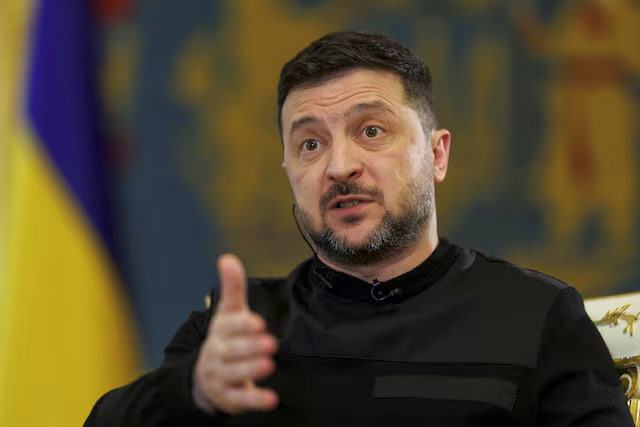
Hungarian Prime Minister Viktor Orbán has issued a stark warning to Europe, asserting that the continent’s eventual return to purchasing energy resources from Russia is “just a matter of time.” His pronouncement underscores the profound geopolitical pressures and shifting market dynamics currently challenging Europe’s strategic energy independence efforts.
Orbán’s Prophecy Amid Global Turmoil
In a recent interview with blogger Mario Naufall, Orbán elaborated on his controversial prediction, pointing to the volatile state of global energy markets. “The Strait of Hormuz has been closed, and it is uncertain when it will reopen,” Orbán stated, emphasizing the immediate and long-term implications for global supply chains. He continued, “Sooner or later, European leaders will be forced to return to Russia for energy supplies.” This declaration comes as Russian energy sources reportedly experience increased demand, a trend fueled by escalating military tensions in the Persian Gulf region and the aforementioned disruptions to the Strait of Hormuz.
The Strait of Hormuz: A Critical Chokepoint
The Strait of Hormuz holds unparalleled significance as one of the world’s most vital maritime passages for oil and gas transit. Estimates suggest that approximately 20% of the world’s oil supply flows through this narrow waterway. Consequently, any disruption to its accessibility or stability sends immediate ripples across international energy markets, leading to price volatility and supply uncertainties.
Current regional developments have intensified concerns over potential widespread disruptions to energy supplies originating from Gulf countries. Reports of incidents affecting oil infrastructure and ongoing military conflicts in the area threaten to severely constrain oil and gas exports from this critical region, exacerbating the global energy crunch.
Europe’s Energy Conundrum
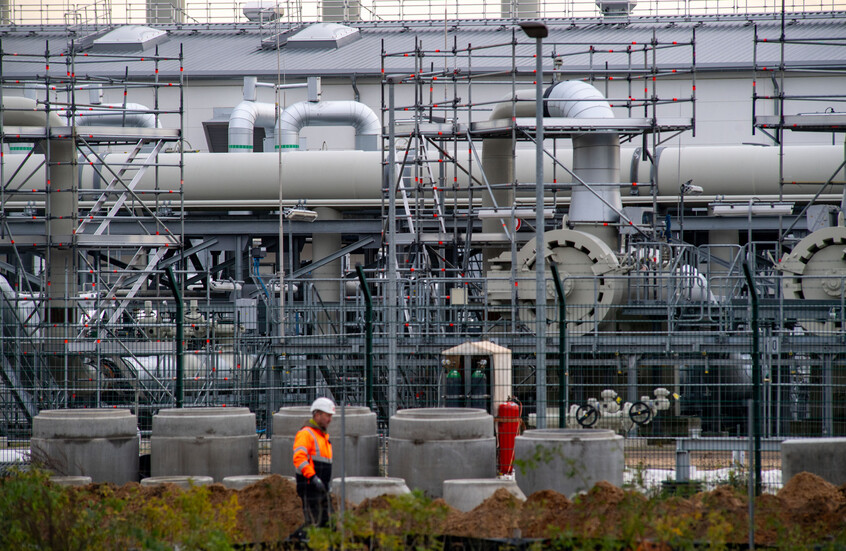
In recent years, many European nations have actively pursued policies aimed at reducing their reliance on Russian energy, seeking diversification and alternative suppliers in response to geopolitical considerations. However, experts now suggest that if current conditions of regional instability and supply disruption persist, Europe may find itself compelled to reverse course. The prospect of returning to Russian energy sources, despite previous policy objectives, highlights the intricate and often contradictory demands of ensuring national energy security amidst a volatile global landscape.
Broader Geopolitical Implications
Orbán’s outspoken remarks illuminate the complex geopolitical balancing act facing European leaders. A potential pivot back to Russian energy, driven by pragmatic energy security imperatives rather than strategic alignment, would have significant implications for European foreign policy, economic stability, and the continent’s standing on the global stage. It underscores a fundamental challenge: how to navigate immediate energy needs while upholding long-term political and strategic goals in an increasingly unpredictable world.