Title: Political Tensions Flare as Minister’s Absence Fuels Impeachment Debate Amid Wage Policy Scrutiny
A Clash of Schedules and Priorities
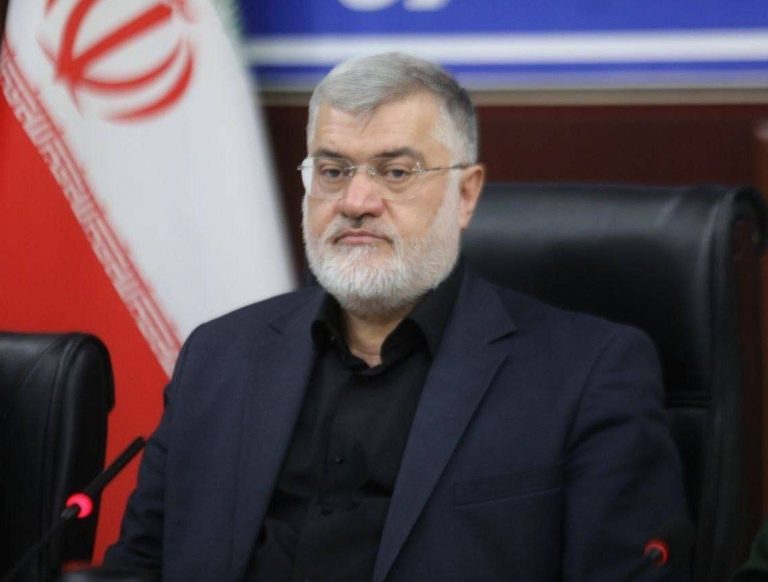
A political dispute has emerged following the absence of the Minister of Cooperatives, Labor, and Social Welfare, Ahmad Meydari, from a parliamentary session convened to review his impeachment. While some lawmakers have deemed his non-attendance unacceptable, the minister clarified that a scheduling conflict with a prior government meeting prevented his participation. This incident has intensified the political atmosphere surrounding the impeachment proceedings of four ministers in the current administration.
The Impeachment Process Intensifies
The impeachment motions have become a central focus in the Islamic Consultative Assembly. Abbas Goudarzi, a member of the parliament’s Social Commission, detailed the timeline, explaining that the process against Minister Meydari began months ago but was delayed due to internal elections and the country’s special conditions. Despite efforts to reschedule the session to accommodate the minister, an agreement could not be reached, leading to the motion being formally referred to the parliament’s presiding board.
Minister’s Defense and Legislative Reactions
In his defense, Minister Meydari, speaking on the sidelines of a cabinet meeting, reiterated that his absence was due to his obligatory attendance at a concurrent government session. However, this explanation has been met with skepticism by some parliamentarians, who interpret the absence as a disregard for the legislative body’s authority. The situation highlights the ongoing dynamic between the government and parliament, with the impeachment process moving forward amidst these tensions.
Clarity on Wage Policy
Amid the political maneuvering, Minister Meydari also addressed public inquiries regarding wage adjustments in the current economic climate. He stated unequivocally that an increase to the minimum wage is not currently on the government’s agenda and is not slated for discussion in the Supreme Labor Council. This clarification comes at a time when economic pressures have heightened public interest in potential governmental support for workers’ livelihoods.
A Political Crossroads
The escalation of these impeachment procedures raises questions about their underlying nature. Some political figures suggest these actions may carry a political dimension, potentially overshadowing other national priorities. Nevertheless, the referral of the labor minister’s impeachment to the presiding board signals a determined pursuit of the matter by a faction of lawmakers. The political landscape now awaits to see whether this will lead to a ministerial dismissal or if subsequent negotiations will pave the way for a de-escalation.