Title: Iran’s 2026 Wage Increase: A Strategic Move to Support Workers Amid Economic Challenges
Introduction: A Critical Economic Decision
As the Iranian calendar year 1404 (2025) draws to a close, the nation’s economic focus has shifted to one of its most significant annual deliberations: the determination of the minimum wage for workers in the upcoming year 1405 (2026). This decision, made by the High Labor Council, is a crucial component of the country’s economic planning, aimed at balancing the needs of the workforce with the broader economic stability of the nation. With persistent inflation and rising living costs, the anticipated wage increase for 2026 is expected to surpass that of the previous year, reflecting a strategic effort to alleviate the financial pressures on working-class families.
The Decision-Making Process
According to Iranian labor law, the High Labor Council is mandated to finalize and announce the minimum wage for workers before the end of the current year. While a final agreement between the representatives of workers, employers, and the government is still pending, intensive expert-level sessions are currently underway. Analysts suggest that the wage for 2026 is likely to be set with a more realistic view of living expenses and the inflation rate, ensuring a fair outcome for all parties involved.
A Look Back at the 2025 Wage Structure
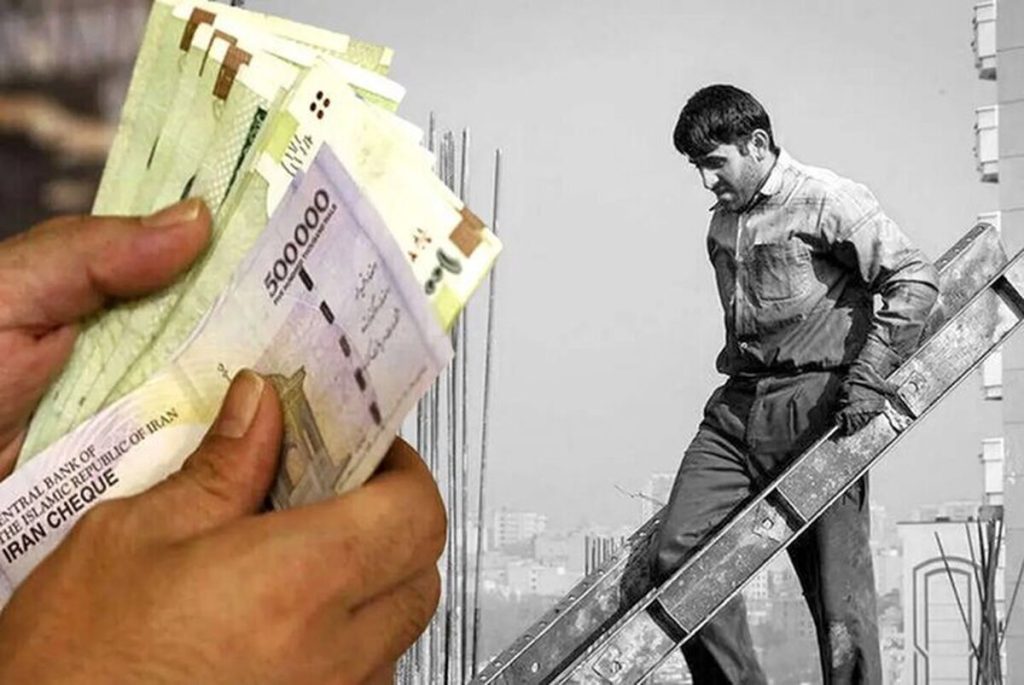
To better understand the forthcoming changes, it is helpful to review the figures established for the year 1404 (2025). Last year, the High Labor Council agreed to an increase of over 45% for the minimum wage. The detailed breakdown was as follows:
- Daily Wage: 3,463,656 Rials
- Monthly Base Salary: 103,909,680 Rials
- Housing Allowance: 9,000,000 Rials
- Grocery Basket Allowance: 22,000,000 Rials
- Seniority Base Pay: 2,820,000 Rials
- Child Allowance (per child): 10,390,968 Rials
- Marriage Allowance: 5,000,000 Rials
Consequently, a married worker with one child had a total monthly income of approximately 152 million Rials in 2025.
Public Sector Increases: A Comparative View
In the 2025 national budget, the government also outlined salary increases for its own employees, demonstrating a parallel approach to wage adjustment across different sectors:
- Single employees received a 20% raise.
- Married employees saw increases proportionate to their number of children.
- Families with five children received up to a 45% raise.
- The average increase for public sector employees was approximately 28%.
This comparison highlights that the wage increase for workers in 2025 was higher than that for government employees, though high inflation continued to impact the purchasing power of working families.
Educational Qualifications and Wage Regulations
In accordance with the regulations of the Ministry of Cooperatives, Labor, and Social Welfare, educational qualifications do not influence the statutory minimum wage. All workers covered by the labor law are entitled to receive at least the approved minimum wage, regardless of their academic credentials. However, in some private companies that implement a job classification system, workers with specialized skills or greater experience may receive wages above the official minimum.
2026 Wage Increase Forecast
Given the high inflation rate and growing cost of living, the anticipated wage increase for workers in 2026 is projected to be between 30% and 40%. Unofficial reports suggest that a tiered increase is likely, meaning workers with lower current incomes would receive a higher percentage raise. Economic experts assert that an increase of less than 30% would be insufficient to cover real living expenses. Therefore, it is forecast that the minimum monthly wage for 2026 could reach between 135 to 150 million Rials.
Learning from the Past, Planning for the Future
The wage adjustment policy implemented in 2025 featured a tiered structure, with the lowest earners receiving a 30% increase and other employees receiving 20%. Experts believe that the decision for 2026 must achieve a dual objective: compensating for the past year’s inflationary pressures while simultaneously supporting the nation’s overall economic stability. A raise that falls short of inflation would further erode workers’ purchasing power, while an excessive increase could place undue strain on producers.
Conclusion: What to Expect for 2026
Based on the current negotiation trends, the high inflation of 2024-2025, and the pressure of living costs, it is projected that the minimum wage for workers in 2026 will be set between 13.5 to 15 million Tomans. The final figure, however, rests with the decisive ruling of the High Labor Council, which is expected to be announced by the end of the current Iranian calendar year in March 2025.