Title: A Call for Educational Reform: Nurturing Student Well-being for a Stronger Society
Introduction: A Troubling Start to the School Year
The new academic year in Iran has begun under a shadow, with a series of deeply concerning incidents reported within schools. Instead of focusing on educational progress, public discourse has been dominated by reports of student-teacher altercations, tragic student deaths under unclear circumstances, and a case of suicide. This troubling pattern has raised urgent questions about the psychological and social environment in educational institutions and has cast a pall over the primary mission of schools.
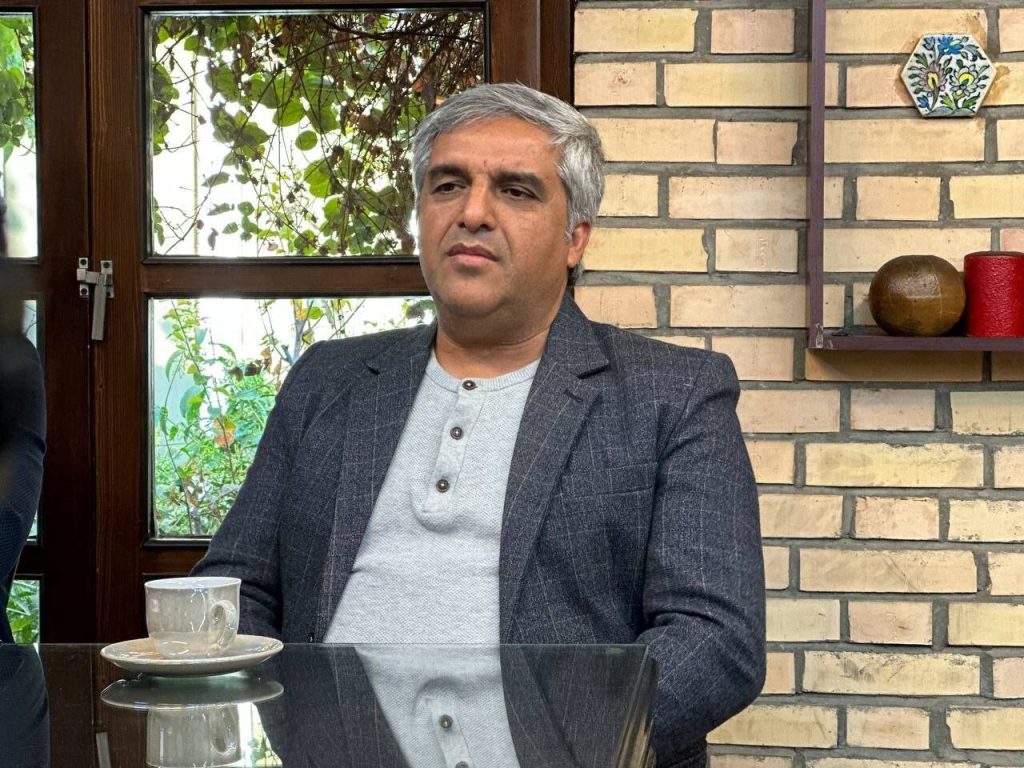
An educational expert and school counselor, Mohammad Davari, describes the visible violence in schools as merely the “tip of the iceberg,” suggesting that schools often reflect broader societal pressures. Yet, he offers a note of cautious optimism: “We may not have an excellent educational system, but we can have good schools.”
The Core Mission: Schools as Sanctuaries, Not Stressors
The fundamental mission of any educational system should be to support the mental, social, and physical health of its students, correcting behavioral issues and strengthening life skills. However, the current system is widely perceived as being overly focused on standardized testing and university entrance exams, creating a high-pressure environment that distances itself from the principles of child and adolescent psychology.
Davari explains that suicide, the most severe form of self-directed violence, is not a sudden act but the culmination of deep despair and a perceived lack of help or escape. He states, “Even today, a significant number of students are susceptible to suicide.” A strong, proactive counseling system within schools could identify the warning signs and potentially prevent such tragedies.
Systemic Challenges and the Need for a New Approach
The roots of this student distress are multifaceted, stemming from family dynamics, societal conditions, and economic pressures. While schools cannot control all these external factors, they are the primary line of defense for identification and prevention.
Davari argues that transformative change is needed, starting with a fundamental shift in policy. The 12 years of schooling should be dedicated to nurturing capable, well-rounded citizens equipped with life skills, not just to preparing for a single exam. This requires moving away from a rigid, centralized structure that issues inflexible directives. Instead, teachers need the theoretical and practical skills to understand and manage complex student behaviors.
Teacher Selection: Prioritizing Emotional and Managerial Competence
A critical area for reform is the teacher selection process. The current system, according to Davari, places disproportionate emphasis on certain ideological and political metrics rather than on the essential qualities of a educator.
“In the selection of teachers,” he notes, “while there is an effort to ask how many units a Friday prayer has, or to check if they fast, serious attention is not paid to the psychological and social health of a teacher.” He advocates for a selection process focused on a candidate’s professional, managerial, and emotional skills—their ability to connect with, understand, and guide students effectively.
A Path Forward: Building “Good Schools” Within the System
Despite the systemic challenges, which Davari links to inefficiencies at various levels of governance, he believes immediate, grassroots improvement is possible. The path forward lies in empowering individual schools.
“We may not have a good education system, but we can have a good school,” Davari asserts, highlighting the potential for schools to become places that genuinely improve students’ well-being, empower them, and foster a love for learning. This requires school principals and teachers who are well-versed in educational psychology and child development. By sharing experiences and prioritizing a humane and ethical environment, educators can ensure that schools fulfill their core mission: nurturing the generation that will build the future.