Title: Persepolis in Turmoil: Managerial Pressure Mounts After Surprise Defeat
In a surprising turn of events, the prestigious Iranian football club Persepolis faced significant internal upheaval following a 2-1 defeat against Kheybar Khorramabad in the seventh week of the Iran Pro League. The loss, which marked the team’s first of the season, has intensified scrutiny on the club’s management and coaching staff, leading to a major resignation.
A Costly Defeat and a Sudden Resignation
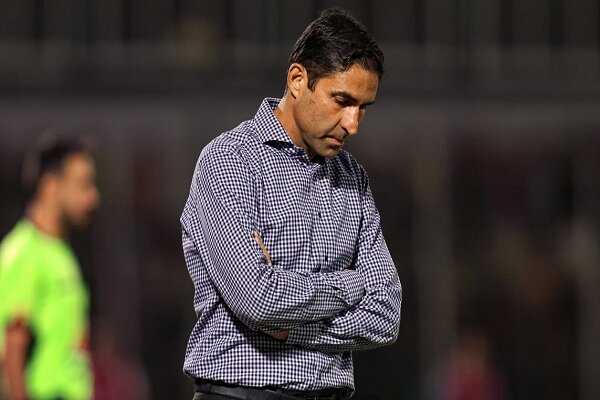
The match, held at Khorramabad’s Takhti Stadium, saw the host team, Kheybar, secure one of their most important victories of the season. Despite creating several scoring opportunities, Persepolis, under the guidance of coach Vahid Hashemian, was unable to capitalize, ultimately succumbing to a 2-1 loss. This result caused the famed “Reds” to drop to 10th place in the league table.
In the immediate aftermath of the match and amidst growing pressure over the team’s recent performance, the club’s CEO, Reza Darvish, tendered his resignation. The move, which was accepted by the board of directors, was a direct response to the mounting challenges faced by the club’s management and the team’s inconsistent results.
Calls for Patience and Analysis
In the wake of the defeat, football analyst Mahmoud Kalhor publicly advocated for stability. He acknowledged that coaches of major teams are always under immense pressure from media and fans, but urged the club to exercise patience with Hashemian.
“Maurco Peric was one of Persepolis’s best signings.”
“He is a knowledgeable and principled coach,” Kalhor stated. “If I were in the club’s position, I would likely give him more time, perhaps another two or three matches, to allow the team to find its rhythm.”
Kalhor pointed to tactical adjustments in the second half against Kheybar that improved the team’s performance as a reason for optimism. However, he also identified a lack of coordination between the defense and midfield as a core weakness, making the team vulnerable to counter-attacks.
A Broader Look at Club Management
The analyst also commented on the broader administrative structure, a topic of discussion in Iranian football circles. He suggested that the club’s management needs to operate with greater authority and expertise.
“Reza Darvish was unable to create the necessary unity and cohesion,” Kalhor remarked. “It is essential to utilize specialized individuals to establish a better structure for the club and restore Persepolis’s standing both in the league table and in the hearts of its fans.”
Kalhor concluded by emphasizing the value of domestic expertise, noting that if a coaching change were to become necessary, Iranian coaches could be preferable due to their deeper understanding of the local football landscape.