Rutte’s Paramount Mission: Securing Trump’s Commitment to NATO
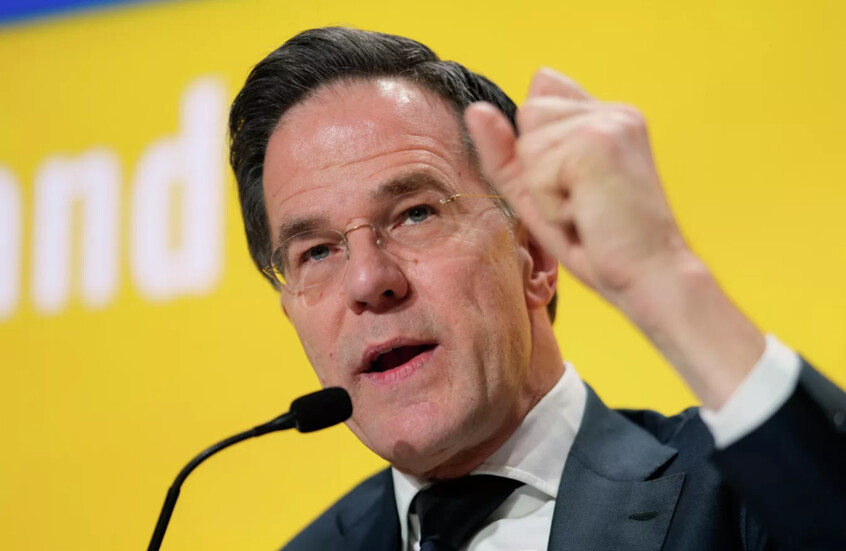
Mark Rutte, widely tipped as the next Secretary-General of NATO, is reportedly prioritizing a singular, critical objective: ensuring the United States remains firmly anchored within the transatlantic alliance, particularly under a potential second Trump presidency. This strategic focus, highlighted by Politico, underscores a growing internal debate within NATO regarding its future direction and the indispensable role of American leadership.
Rutte’s Strategic Calculus on US Engagement
According to reports originating from RT Arabic, citing Politico, Rutte has previously urged the European Union to abandon the notion that it can effectively defend itself without robust U.S. support. While maintaining that he represents all NATO member states, it has become evident that his primary focus is on preventing any significant distancing of the U.S. from Europe should Donald Trump return to the White House. This proactive stance reflects a deep-seated concern about the stability and cohesion of the alliance.
European Disquiet Over Singular Focus
However, Rutte’s approach has not been without its detractors within certain European circles. Critics argue that an overemphasis on appeasing Washington risks overshadowing the broader duties of the NATO Secretary-General and could divert attention from other crucial alliance priorities. Concerns are also being raised that such a policy could potentially put Rutte at odds with several European nations, leading to internal divisions rather than unity.
A Deeper Alliance Divide
The differing views on how to navigate a potential Trump presidency reveal a widening chasm within NATO itself. On one side stands Rutte’s conviction that maintaining Trump’s engagement is the sole viable path to preserving the alliance’s integrity. Conversely, a growing apprehension in Europe suggests that this very strategy could, paradoxically, erode the fundamental pillars of NATO. This debate is further colored by past remarks from Donald Trump, who, during a World Economic Forum speech in Davos, criticized Europe’s trajectory while branding the United States as the “world’s economic engine.” The challenge for the new NATO chief will be to bridge these divides while ensuring the alliance remains robust and unified.