President Engages Medical Sector: A Call for Social Cohesion and Countering Destabilization
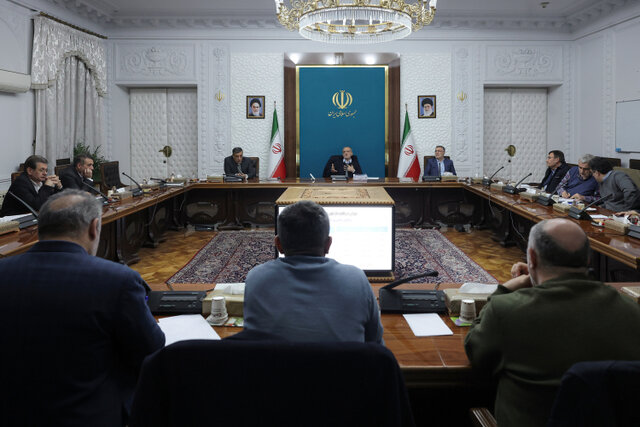
President Ebrahim Raisi has emphasized the critical importance of measures aimed at reducing social tension, preventing the spread of violence, and mending societal divides, particularly from a mental health perspective. Speaking at a session focused on the “Family Physician and Referral System Plan,” President Raisi called for a robust engagement with the medical community to address national realities and urged vigilance against analyses he described as “favored by enemies.”
Prioritizing National Well-being Amidst Challenges
The President asserted that, in the prevailing national conditions, a paramount priority for the health system is a comprehensive approach to the psychological, social, and mental well-being of the populace. He affirmed the government’s unwavering commitment to this objective and called for active and effective participation from the national health system. “We are obligated to ensure and protect the health of our people, not only physically but also psychologically and socially,” President Raisi stated.
The Strategic Role of Healthcare in Social Stability
Highlighting the significant role of social determinants in health outcomes, President Raisi cited statistics from recent incidents and unrest, noting that a considerable portion of casualties and hospitalizations stemmed from social factors amenable to prevention. He emphasized that medical professionals could play a pivotal role in this domain, given that many affected individuals faced challenges such as psychological trauma, mental health disorders, unemployment, or social deprivation. The President stressed that timely interventions in mental health are crucial for mitigating tensions and managing social consequences, advocating for a proactive, scientific approach to prevent crises rather than merely treating their aftermath.
Medical Professionals as Agents of Calm and Understanding
President Raisi reiterated his significant confidence in the national health network and the medical community to actively contribute to societal pacification and tension reduction. He underscored the respected, accepted, and influential social standing of doctors, nurses, and healthcare staff, seeing them as vital in fostering public understanding. The President advocated for a nationwide expansion of these health interventions, moving beyond limited pilot programs. “Preventing incidents is far more important to me than dealing with factors after unrest and riots occur,” he asserted, adding that addressing societal mental and social distress holds greater significance than many costly medical treatments. He suggested that professional and specialized health teams, adopting this approach, could be even more effective than many cultural institutions.
Distinguishing Protest from Destabilization Efforts
Addressing the medical community directly, President Raisi posed a rhetorical question regarding the nature of certain actions during protests: “Where in the world are ambulances, emergency vehicles, fire departments attacked, or police forces targeted?” He affirmed the government’s commitment to examining all aspects to identify and rectify shortcomings. However, President Raisi clarified that “from a certain point onward, these developments were no longer merely protests and transformed into a project aimed at overthrowing the system.”
A Call for Professional Analysis and Reform
The President urged the nation’s health centers to conduct a thorough analysis of recent events from the perspective of their professional responsibilities. He underscored the importance of the medical community’s conviction regarding these events, noting that “until you are convinced, you cannot properly fulfill your professional and ethical duties towards the affected and society.” He reiterated his caution to the health system against being ensnared by “analyses favored by enemies.” Beyond immediate social and psychological recovery, President Raisi emphasized the health system’s crucial role in supporting government reforms, including the elimination of currency rent and the reduction of inequality in drug distribution.
The session concluded with a detailed review of the “Family Physician and Referral System Plan,” during which President Raisi provided key recommendations and directives aimed at enhancing its implementation and achieving the government’s objectives for justice and efficiency within the national health system.