Amidst Regional Tensions, Expert Psychologist Advocates ‘Family-First’ National Strategy for Resilience and Youth Engagement
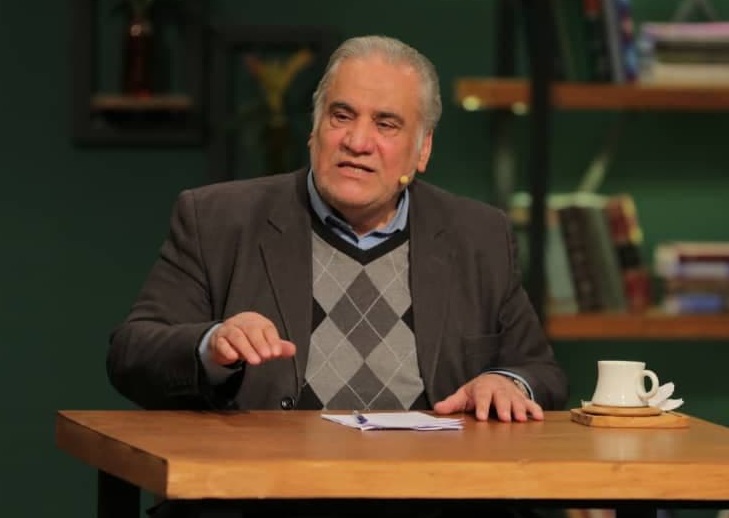
Tehran, Iran – As public concern over regional stability grows, a leading Iranian psychologist is urging a proactive, family-centric approach to national policy, emphasizing its critical role in fostering hope, preventing youth disaffection, and enhancing societal resilience. Dr. Gholamali Afrouz, a prominent psychologist and head of Iran’s Supreme Council of Psychology and Counseling Organization, articulated this vision in a recent interview, highlighting the deep anxieties within Iranian households and proposing a comprehensive framework for national well-being.
Navigating Public Anxiety Amidst Geopolitical Uncertainties
Dr. Afrouz notes a pervasive public preoccupation with the potential for conflict, stating that discussions about war’s likelihood dominate family conversations. While acknowledging that even senior officials, including the Foreign Minister and military commanders, often express uncertainty about future events, he points out their consistent message of preparedness, intended to reassure the public. Amidst this backdrop, Dr. Afrouz stresses that personal peace and family cohesion are paramount. “We must center our discussions on the family and cultivate tranquility within the home,” he advises, suggesting that this domestic focus is key to building resilience in challenging times.
Nurturing Hope and Preventing Youth Disaffection
A significant concern for Dr. Afrouz is the psychological well-being of the youth. He advocates for “forgiveness therapy” as a vital tool to prevent the development of deep-seated resentment among young individuals. Citing instances where some teenagers participated in activities that led to minor disturbances, he posits that such actions often stem from emotional excitation and youthful mischief rather than deliberate political intent or external orchestration. He strongly urges officials to approach these cases with understanding and leniency, emphasizing the importance of forgiveness to prevent these individuals from developing psychological complexes that could lead to more severe societal issues, illustrating with extreme historical examples how unresolved psychological burdens can have devastating consequences. Respectful engagement, affirmation, and encouragement, he argues, are far more effective in fostering peace than threats or humiliation.
Government’s Core Mandate: Security and Livelihood
Drawing upon religious teachings, Dr. Afrouz asserts that a government’s fundamental duties, as outlined in the Quran, are to ensure the security and livelihood of its citizens. He critically observes that significant national resources have been mismanaged or diverted, pointing to vast sums mentioned as outstanding debts by certain individuals. He proposes that these funds could be redirected to substantially improve public welfare and economic stability. Furthermore, he highlights critical deficiencies in public services, particularly in healthcare—where a lack of accessible family doctors and specialized medical security systems creates significant challenges for citizens—and in education, where commercialized preparatory classes underscore systemic weaknesses.
A National Vision: Prioritizing the Family Unit
Dr. Afrouz outlines a bold policy recommendation: a national strategy where all government programs are fundamentally family-centric. He proposes the creation of a “Ministry of Family,” which would consolidate existing related entities such as the Welfare Organization, the Vice-Presidency for Women and Family Affairs, and Social Security. Such a ministry, he argues, would streamline efforts to provide comprehensive support systems, including dedicated family doctors, legal advisors, and psychologists for every 500-700 households.
He emphasizes the readiness of Iran’s psychological community to implement such a vision, with ample qualified professionals available to serve families. Moreover, he reiterates the importance of restorative and educational approaches for individuals who may have committed non-politically motivated infractions, advocating for short-term educational programs that encourage remorse and facilitate a swift return to their families. Dr. Afrouz’s urgent call underscores a belief that by deeply investing in the family unit and prioritizing its well-being through integrated policy and compassionate governance, Iran can fortify its national resilience and cultivate a hopeful future for its citizens.