US Fuel Prices Jump 16%, Sparking Economic Concerns and Recalling Political Pledges
Pump Prices Soar Across the US
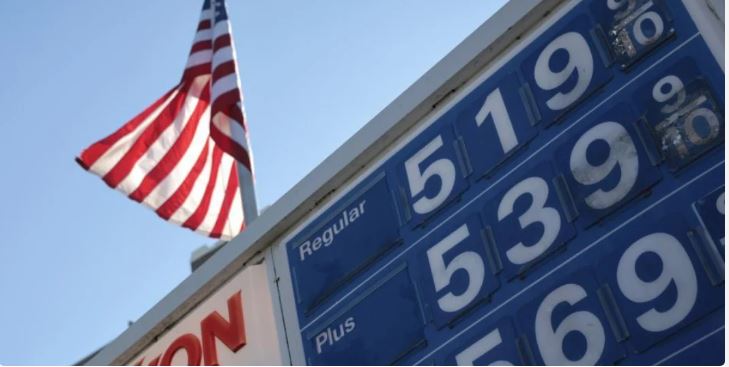
American consumers are facing renewed pressure at the pumps as fuel prices at gas stations across the nation registered a significant increase on Sunday. This surge reflects broader uptrends in global oil markets, directly impacting household budgets. The New York Times, citing data from the American Automobile Association (AAA), reported that the average cost of fuel has climbed by 16% since a period generally referred to as “the war’s commencement,” with an additional 4 cents per gallon added on Sunday alone. Notably, this current national average has not been observed at such elevated levels since early August 2024.
Global Dynamics Drive Domestic Costs
The escalating cost of fuel in the United States is intrinsically linked to dynamic shifts within the global oil market. International energy benchmarks, influenced by a myriad of factors including geopolitical events and supply-demand imbalances, often translate rapidly to domestic pump prices. This sensitivity underscores the interconnectedness of global affairs and local consumer expenses, highlighting how worldwide developments can swiftly impact daily life for American citizens and broader economic stability.
Political Dimensions of Fuel Costs
The economic impact of rising fuel prices frequently brings with it substantial political ramifications, serving as a critical indicator for both policymakers and the public. The New York Times has previously illuminated the political vulnerabilities associated with escalating energy costs, showcasing how such issues can shape electoral landscapes. For instance, the newspaper reported on former President Donald Trump’s past efforts to address public concern over oil prices. His pledges to reduce these costs, framed within broader foreign policy discussions and notably including rhetoric concerning “ending the war with Iran,” were reportedly interpreted as a strategic maneuver to mitigate political challenges ahead of crucial midterm elections. This historical context illustrates the profound extent to which energy prices can become a central theme in political discourse and electoral strategy.