Italy Eyes Fuel Tax Relief as Mideast Tensions Threaten Energy Stability
Rome Mobilizes to Counter Energy Price Surge
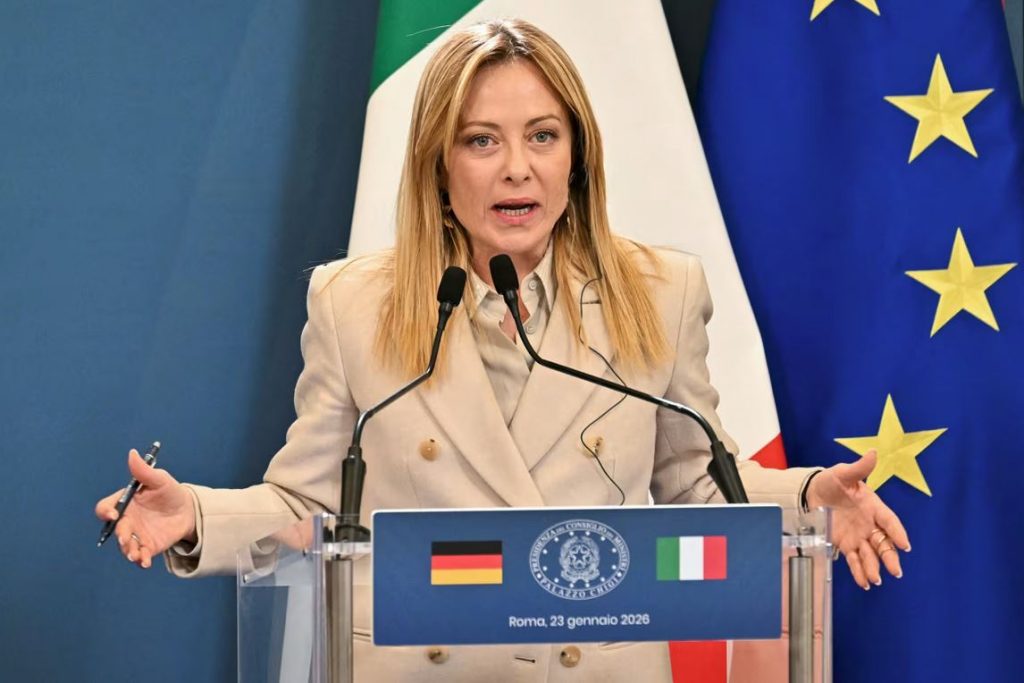
ROME – The Italian government is actively exploring a significant reduction in fuel taxes, leveraging unexpected surplus revenue from value-added tax (VAT) amidst growing concerns over the economic fallout from escalating tensions in the Middle East. Prime Minister Giorgia Meloni announced the potential move as businesses and economic operators across the country warn that prolonged regional conflicts could trigger a sharp and unsustainable increase in energy costs.
Strategic Use of “Floating Fuel Duty”
At the heart of the government’s strategy is the activation of a mechanism known as the “floating fuel duty.” This innovative approach would allow the administration to tap into the additional VAT income generated by rising fuel prices at the pump. Unlike VAT, which is a percentage of the total cost, fuel duties are fixed per-liter charges that constitute a substantial portion of the final price of gasoline and diesel in Italy. By utilizing the unexpected VAT windfall, the government aims to directly lower these per-liter duties, offering a tangible reduction in costs for consumers and businesses alike.
Prime Minister Meloni confirmed in a video message that the Ministry of Economy has been tasked with rapidly evaluating the feasibility of implementing this scheme in the coming days, underscoring the urgency with which Rome is addressing the issue.
Mounting Economic Pressures and Sectoral Warnings
The decision comes as Italy’s economy faces considerable pressure from potential energy market volatility. The Italian Chamber of Commerce, representing a vast array of industrialists and small to medium-sized enterprises, has issued a stark warning: increased energy expenses stemming from regional tensions could cost Italian companies nearly €10 billion ($11.62 billion).
Consumer advocacy groups are also vocal, with the Unione Nazionale Consumatori demanding an immediate 10% cut in fuel duties to alleviate the burden on households. The transport sector, a critical artery of the economy, has also voiced deep concerns. The Ruote Libere association, representing light freight transport, estimates that a 37% increase in per-liter fuel prices could add over €11,000 annually to the operational costs of each truck.
Farmers, represented by the CIA association, have reported agricultural diesel prices soaring by 30-35% in some regions. They caution that without robust national and European Union support mechanisms, many farmers face the dire prospect of operating at a loss.
Political Imperative to Safeguard the Economy
The government’s proactive stance underscores a clear political imperative to shield Italy’s citizens and businesses from the indirect economic impacts of geopolitical instability. By considering these fuel tax cuts, the Meloni administration seeks to stabilize domestic prices, mitigate inflationary pressures, and protect the competitiveness of Italian industries against external energy market shocks, reaffirming its commitment to economic resilience in uncertain global times.