Putin Sounds Alarm: Mideast Unrest Fuels Global Economic Peril
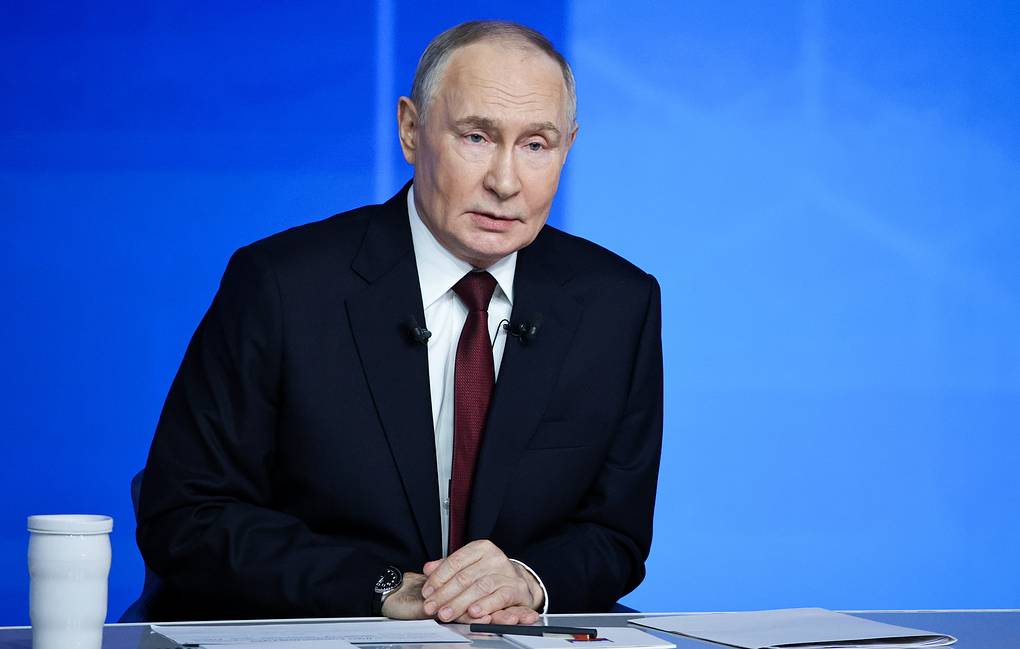
Russian President Vladimir Putin has issued a stark warning regarding the escalating conflicts in the Middle East, cautioning that the turmoil is imperiling a vast array of global industries with consequences that remain profoundly unpredictable. Speaking at a plenary session of the Russian Union of Industrialists and Entrepreneurs, Putin underscored the significant disruption caused by the ongoing geopolitical friction.
Widespread Economic Fallout
The Russian leader highlighted how armed conflict in the Middle East is increasingly impacting the global economic landscape, leading to substantial disruptions in international logistics, production, and supply chains. Putin noted that entire sectors, particularly those involved in the extraction and processing of hydrocarbons, metals, fertilizer production, and many other goods, are experiencing severe shocks.
“It is still difficult to make a definitive forecast of the consequences of the conflict in the Middle East,” Putin stated. “In my opinion, even those involved in this conflict are themselves unable to predict developments.” He added that navigating this challenging environment poses an even greater task for nations like Russia.
Geopolitical Tensions and Energy Supply
Heightened regional tensions, involving major international and regional actors, have severely disrupted shipping in a strategic strait, which facilitates the passage of approximately 20% of the world’s oil and liquefied natural gas. This has precipitated a crisis that the International Energy Agency (IEA) has reportedly termed the greatest disruption to global energy supply in history.
Market Instability and Uncertain Future
The economic repercussions have been immediate and far-reaching. Global oil prices have surged by over 50% since the onset of the escalated tensions, driving up fuel costs worldwide and intensifying concerns about a looming global economic recession. Reports indicate that around a hundred countries have experienced increased gasoline prices since late February. Efforts to stabilize markets and mitigate the economic impact have, thus far, proven unsuccessful, leaving the global outlook uncertain as the region’s future remains a complex and unfolding challenge.