US Public Firmly Rejects Military Intervention in Iran, Quinnipiac Poll Reveals
A new national survey by Quinnipiac University reveals a strong and resounding rejection among American voters for any potential U.S. military intervention in Iran. The findings underscore a clear public sentiment against military engagement abroad, particularly in the context of internal developments in other nations at the time the poll was conducted.
### Widespread Opposition to Military Action
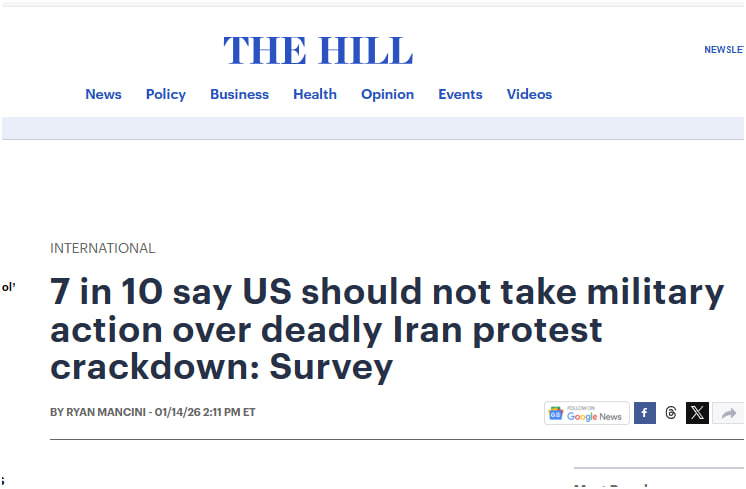
The poll, released on Wednesday, indicates that a substantial majority of Americans oppose U.S. military action in Iran. Seven out of ten registered voters (70%) stated that the United States should not engage militarily in Iran. In contrast, only 18% expressed support for intervention, while 12% remained undecided.
This opposition transcends partisan lines, demonstrating a rare consensus. Democrats showed overwhelming disapproval, with 79% against military involvement, closely followed by Independents at 80%. Significantly, a majority of Republicans, 53%, also voiced opposition, highlighting a broad national alignment on this sensitive foreign policy issue.
### Calls for Congressional Approval
Beyond direct intervention, the survey also illuminated a strong public desire for congressional oversight in foreign military engagements. Approximately 70% of respondents asserted that the President should secure approval from Congress before undertaking military action in another country. This sentiment garnered robust support across the political spectrum: 95% of Democrats, 78% of Independents, and 54% of Republicans.
### Political Implications and Analyst Insights
Poll analysts characterized the discussion around potential U.S. military involvement in a nation’s internal situation as “decisively rejected” by voters. This strong public stance reinforces the view that American citizens prioritize congressional deliberation and approval as a vital check on military interventions in foreign crises. The results suggest a public largely cautious of unilateral executive action in military matters and a renewed emphasis on the constitutional role of Congress in such decisions.
### Poll Methodology
The Quinnipiac University poll surveyed 1,133 registered voters and was conducted between January 8 and 12.