Analysts: Rafah Reopening Signals Strategic Defeat for Israel
The recent reopening of the Rafah border crossing between Gaza and Egypt has been interpreted by analysts as a significant indicator of Israel’s strategic setbacks in the protracted conflict. Experts suggest this development reflects a profound disillusionment within Israel over a two-year war that, despite causing widespread devastation and tens of thousands of Palestinian casualties, has reportedly failed to achieve its stated objectives. The decision to restore management of the crossing to its original Palestinian and Egyptian authorities is viewed as an implicit admission of strategic failure, even as Tel Aviv reportedly attempts to downplay its significance.
Expert Assessment: A Strategy Unraveling
Dr. Mahmoud Yazbak, an academic and expert on Israeli affairs, suggests that internal Israeli analyses and articles clearly indicate the reopening of Rafah marks the beginning of a strategic collapse for Israel. In his political assessment, Yazbak highlights a dominant narrative within Israeli politics where all factions strive to project an image of military strength, with virtually no “doves” or peace advocates visible on the political scene.
Operational Challenges and Future Implications
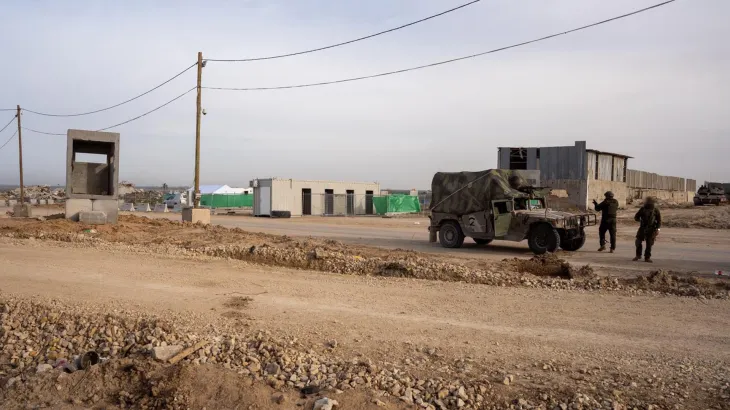
Dr. Yazbak elaborated on the unique operational challenges at the crossing. He noted that an Israeli checkpoint is situated approximately 300 meters from the main crossing, operating electronically without a physical Israeli presence. The crossing itself is located east of the “Yellow Line” within an area controlled by the Israeli army. However, the presence of Egyptian and Palestinian forces, alongside European observers on the Palestinian side, creates a complex operational dynamic and a significant challenge for Israel.
Anticipating International Involvement and Withdrawal
Furthermore, Dr. Yazbak views the manner of Rafah’s reopening as a clear precursor to developments in the coming months, specifically the anticipated deployment of international stability forces. He pointed to the planned visit of U.S. envoy Steve Witkoff to Israel as a prelude to a second phase of a ceasefire agreement, which would inherently entail a forthcoming Israeli withdrawal from the region.
Netanyahu’s Political Dilemma
According to Dr. Yazbak, Israeli Prime Minister Benjamin Netanyahu faces considerable electoral difficulties. A prospective withdrawal from Gaza in the coming months would, in his view, starkly underscore the reality that the conflict resulted in the deaths of over 70,000 Palestinians, reportedly for no discernible strategic gain.