Title: A Nation’s Health at Stake: Iran’s Mounting Medicine Crisis Demands Policy Action
Article Content:
The Looming Healthcare Challenge
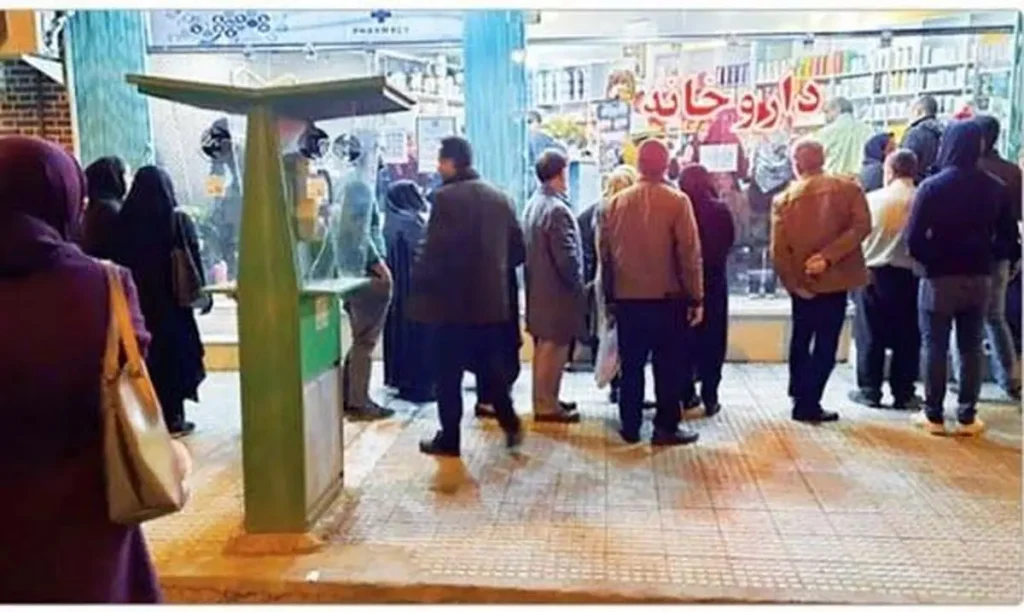
Iran’s healthcare sector is grappling with an escalating crisis marked by severe medicine shortages and skyrocketing prices, transforming essential treatments into unaffordable luxuries for many citizens. What was once considered a basic right now poses an insurmountable barrier, profoundly impacting the daily lives and health outcomes of countless Iranians. This critical situation, widely acknowledged by officials and patients alike, underscores a pressing challenge for the nation’s welfare.
The Economic Strain on Essential Medicines
Reports from parliamentary sessions and pharmaceutical associations reveal the stark reality of the crisis. Seyed Jalil Mirmohammadi Meybodi, a member of parliament, highlighted dramatic price increases, noting some medications that previously cost 400,000 Tomans now command up to 10 million Tomans. This surge is particularly acute for transplant, special, cancer, and single-source drugs, with price hikes ranging from one to four million Tomans.
Further exacerbating the problem, Hadi Ahmadi, spokesperson for the Iranian Pharmacists’ Association, recently announced a shortage of 150 to 200 essential drug items, warning of further depletion if current trends continue. Drug prices have reportedly surged by 200-300 percent, pushing out-of-pocket patient expenses to an alarming 60-70 percent in some cases. The situation for patients with special conditions is described as even more dire.
Personal Tolls: Stories from the Frontline
The human cost of this crisis is profound, with patients and their families navigating a desperate struggle for survival. Many report that crucial medications are either rare or entirely unavailable, while exorbitant costs render others inaccessible.
Fatemeh, a 53-year-old battling multiple severe conditions including cancer, stroke, and heart issues, relies on the “Repatha” ampoule. Its price has soared from 1.3 million Tomans to 12 million Tomans per injection within a year, often requiring her to purchase doses uninsured as pharmacies limit subsidized quantities. The fear of future unavailability or further price hikes looms large.
Shayesteh, living with pulmonary lupus for nine years, faces a similar plight. Her monthly drug expenses have doubled from 12 million to 25 million Tomans. Forced to use less effective domestic or Indian generics due to the scarcity of original medications, she endures severe side effects. The cost of life-sustaining medical equipment, such as a portable oxygen device, has become prohibitive, increasing from 34 million to 588 million Tomans, with insurance covering only a fraction.
Elaheh, an MS patient, has transitioned from imported “Rebif” to its domestic equivalent due to import challenges and price increases. While the local version is accessible, she reports significant adverse effects, including severe body pain, headaches, and discomfort from thicker injection needles, contrasting sharply with the experience of the imported drug.
Zohreh, suffering from severe anxiety and panic attacks, relies on “Perphenazine,” a domestically produced neurological drug. However, she reports its complete disappearance from the market in recent months, attributed to the unavailability of imported raw materials. Unable to find a substitute, she has been forced to discontinue the medication, highlighting the vulnerability of even local drug supplies to global supply chain disruptions and external economic pressures.
Even simpler, domestically produced medicines are affected. Saeed, facing a severe Vitamin K deficiency, found his prescribed ampoule — a common, inexpensive drug — impossible to procure in his home city or even the capital, eventually securing a single dose through personal connections.
Addressing the Systemic Challenges
The accounts underscore a critical need for comprehensive governmental and institutional support. Patients express feelings of abandonment, noting that neither the Ministry of Health, Parliament, nor private associations seem equipped or able to provide adequate assistance. The struggle extends beyond mere affordability, encompassing the availability of necessary drugs and medical equipment, and the efficacy of domestic alternatives.
This healthcare crisis represents a significant political and social challenge, requiring robust policy interventions to safeguard public health and stability. Ensuring equitable access to affordable, quality medicine and medical equipment is paramount for the well-being of the Iranian populace. Policymakers face the complex task of navigating economic pressures, bolstering domestic production, securing essential raw materials, and strengthening insurance coverage to alleviate the burden on patients and their families.