Title: Government Addresses Pension Payment Delays, Outlines New Service Reforms
In a series of official statements, Iranian authorities have acknowledged delays in certain pension payments and detailed ongoing efforts to resolve the matter, while also announcing significant strides in the digital transformation of social security services.
Payment Delays and Official Assurances
Recent reports indicated that a segment of pensioners from the Social Security Organization experienced a delay in receiving specific payment adjustments. In response, officials have clarified that the settlement of these dues is a priority.
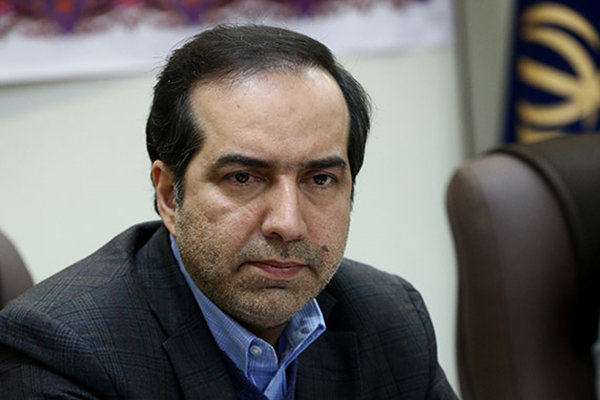
Mohammad Asadi, Head of the High Council of Retired Social Security Workers, stated in an official media briefing that arrears related to supplementary insurance are scheduled for payment in the coming week. He emphasized that continuous coordination with Social Security officials is underway to ensure the swift settlement of these claims.
A Systemic Solution in Motion
The resolution is linked to a broader governmental measure. Asadi and Mostafa Salari, the Managing Director of the Social Security Organization, both referenced a directive from the heads of the three branches of government. This directive allocates funds to settle part of the government’s debt to the Social Security fund, specifically for healthcare costs.
“The securities related to this allocation are in the process of being liquidated,” Asadi explained. “Once this is finalized, all supplementary insurance arrears registered up to a specified date will be paid.”
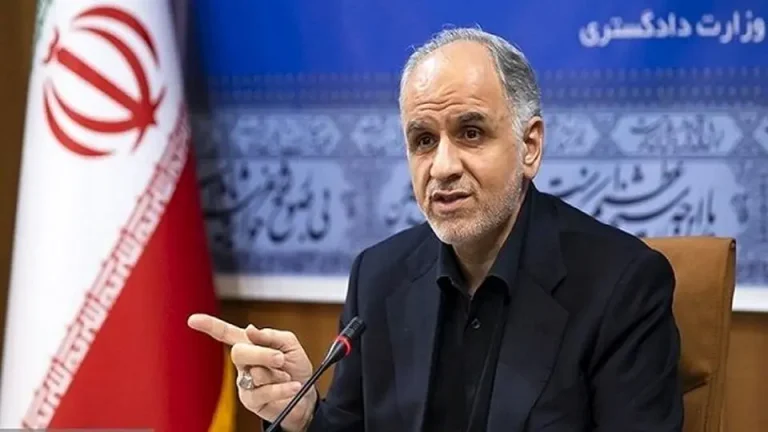
Managing Director Salari reinforced this, stating, “The organization’s debts to pensioners, medical centers, and insurance companies will be settled following the payment of government debts to the organization. A portion of this debt is currently being processed as per the directive from the heads of the branches of power.”
A Push for Digitalization and Expanded Coverage
Alongside addressing current financial obligations, the Social Security Organization is aggressively pursuing a modernization agenda. Salari announced the upcoming launch of new non-attendance services specifically tailored for construction workers and drivers, aiming to fully digitize service delivery.
“The goal is to reduce in-person visits to branches to an absolute minimum,” Salari said. “Beneficiaries should be able to submit requests and see the results without any need for travel.”
He also highlighted the formation of a national task force for construction workers’ insurance to enhance transparency and expand coverage. Furthermore, he noted that the generalities of a law for drivers’ insurance have been approved by the Islamic Consultative Assembly, with details soon to be debated, paving the way for comprehensive and stable insurance coverage for all drivers in the country.
These combined efforts signal a dual-focused approach: resolving immediate financial concerns through structured governmental action while building a more efficient, transparent, and accessible social security system for the future.