Rewritten Title: Parliamentary Committee Addresses Supplementary Health Insurance for Retirees
Article:
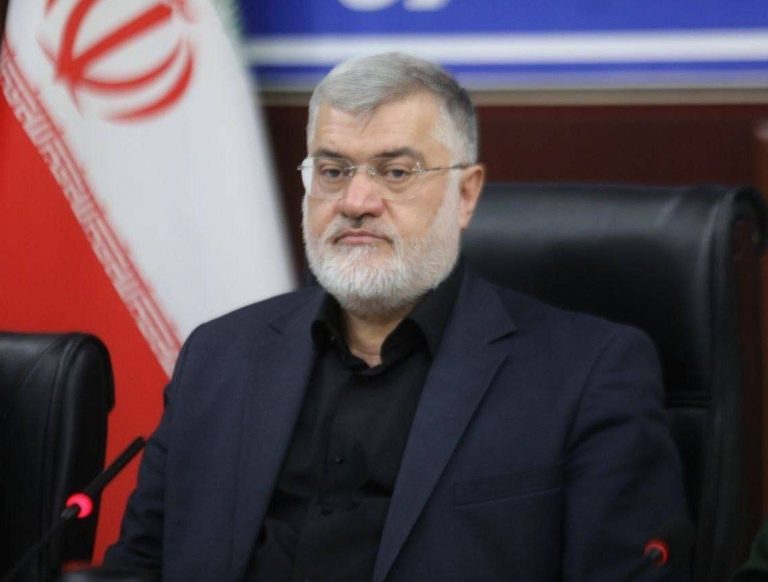
A member of the Iranian Parliament’s Health Commission has provided details on the ongoing efforts to finalize the supplementary health insurance contract for retirees covered by the Social Security Organization, acknowledging recent challenges while highlighting proactive measures to safeguard retiree benefits.
Acknowledging Oversight, Promising Resolution
Mohammad Jamalian, the parliamentarian, began by acknowledging that the necessary arrangements for renewing the retirees’ supplementary insurance contract should have been finalized earlier. He expressed appreciation for the efforts of Mostafa Salari, the head of the Social Security Organization, in defending the rights of retirees and pensioners.
Jamalian confirmed that the delay in renewing the annual contract had caused concerns, but emphasized that the issue is being actively addressed at the highest levels.
The Critical Role of Supplementary Insurance
Highlighting the importance of the matter, Jamalian stated, “In the Parliament’s Health Commission, we are deeply concerned with the issues facing the elderly and retiree insurance.” He explained that healthcare costs are a significant burden on retirees’ finances, and supplementary insurance, supported by pension funds, makes these expenses manageable.
He further clarified that according to Article 54 of the Social Security Law, the organization is obligated to cover the outpatient and inpatient treatment costs of the insured.
Navigating Contractual Hurdles
The primary reason cited for the non-renewal of the contract was the high price proposed by the insurance provider, ‘Atieh Sazan Hafez’. Last year’s premium was 450,000 Tomans per month, shared between the organization and the retiree. This year, after negotiations, a figure of 780,000 Tomans was proposed.
The head of the Social Security Organization has stated that a payment of 550,000 Tomans on behalf of retirees is considered high, and a request has been made for the insurance company to lower its proposed rate.
Interim Measures and a Guaranteed Path Forward
To manage the situation, the Social Security Organization has instructed its owned medical centers to provide services to retirees without delay.
Most importantly, Jamalian reported a decisive development: “In a meeting today with the head of the Social Security Organization, we followed up on this issue, and Mr. Salari promised to resolve the supplementary insurance contract.”
He also outlined a robust contingency plan. Should an agreement on the price not be reached, the Social Security Organization will sign an agreement with the Ministry of Health. This agreement would ensure that retirees receive all medical services completely free of charge at all university-affiliated medical centers, with the organization covering the full cost.
This two-pronged approach—pushing for a renewed insurance contract while preparing a comprehensive free-service alternative—demonstrates a committed institutional effort to protect the healthcare access of Iran’s retired community.