US Considers Major Middle East Troop Deployment Amid Evolving Regional Dynamics
Washington D.C. – The Trump administration is reportedly weighing the significant deployment of thousands of additional U.S. troops to the Middle East, according to multiple informed sources, including a U.S. official who spoke to Reuters. This potential move is described as preparation for the next phases in its strategic engagement concerning Iran.
Recent Deployments and Official Commentary
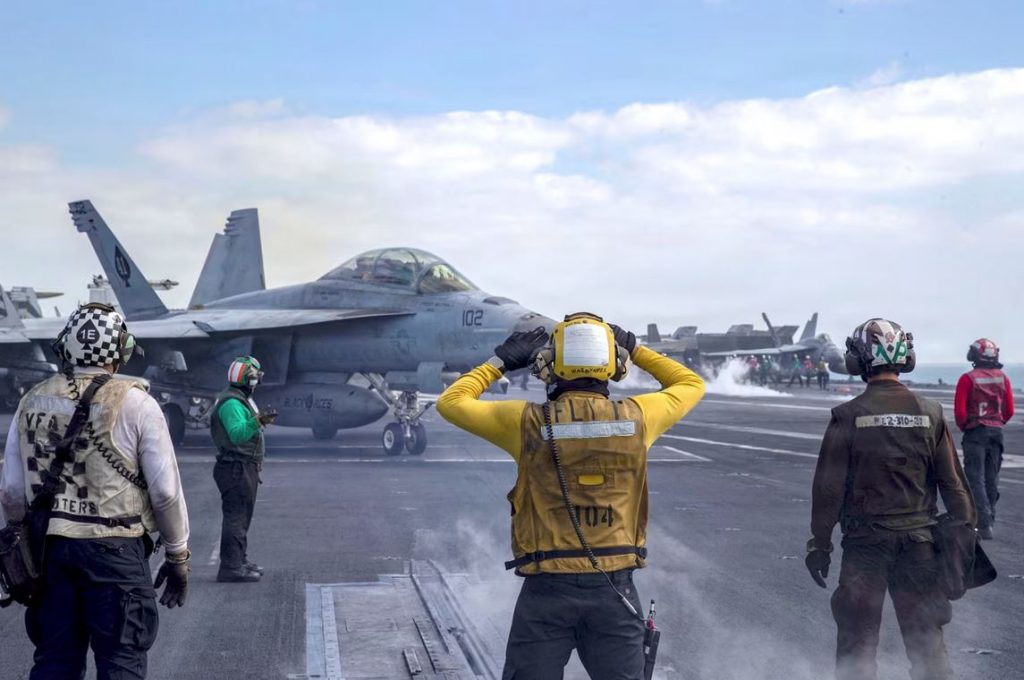
This consideration follows the Pentagon’s recent decision last week to dispatch a Marine Expeditionary Unit, comprising approximately 2,500 Marines and sailors, to the region. Speaking on Fox News, U.S. Ambassador to the United Nations Mike Waltz stated on Sunday that the military is providing the President with options to ensure forces are “trained, equipped, and ready to serve whatever he chooses to do as commander-in-chief.”
Mounting Financial Projections for Contingency Operations
Concurrently, the Washington Post reported that the Pentagon is working to request over $200 billion from Congress for potential military actions concerning Iran, pending White House approval. However, senior administration officials told the Post that some within the White House are skeptical such a substantial request would pass Congress. This internal debate underscores the complex financial and political calculations involved.
Earlier reports by CNN indicated that the Pentagon informed U.S. lawmakers that initial estimates for the first six days of a potential conflict could exceed $11 billion, with over $5 billion in munitions expended within just the first two days of engagement.
Escalating Cost Estimates and Long-Term Implications
Further concerns about the financial toll were raised by The Intercept, which warned that officials in Washington may be understating the true cost to American taxpayers, suggesting it could eventually reach trillions of dollars.
With the U.S. military budget, already the world’s largest, surpassing $830 billion for fiscal year 2026, the financial implications are under intense scrutiny. The U.S. President has reportedly asserted that a “campaign of regime change in Tehran” could be sustained “forever” using existing Pentagon ammunition reserves, though critics point to the significant issue of potential weapons depletion.
The Intercept also highlighted discrepancies in cost estimates. It contrasted projections from Trump administration officials with figures provided by experts, lawmakers, and two anonymous government officials. For instance, a $12 billion estimate from Trump’s economic advisor, Kevin Hass, for troop increases in the Middle East, reportedly did not account for deployments preceding heightened regional activities in late February. Government sources suggested to The Intercept that a three-week military engagement could cost between $60 billion and $130 billion, escalating to $250 billion if extended to eight weeks.
Lawmakers anticipate the administration will add at least $50 billion to the Defense Department’s $1.5 trillion budget request for fiscal year 2027, further underscoring the scale of potential expenditure.
National Debt and Political Context
Long-term costs, encompassing veteran benefits and interest on additional debt, could push the total into trillions, mirroring the Iraq War. The Bush administration initially estimated the cost of operations in Iraq at $40 billion, but independent assessments by 2021 have placed the actual figure at around $8 trillion.
The U.S. national debt is currently nearing $39 trillion, up from $38 trillion last October, according to Treasury Department data. The President had previously campaigned on a promise to avoid costly new wars and reduce debt by cutting wasteful government spending, adding another layer of political complexity to the current discussions.