Title: Iran Refines Subsidy Targeting with New “Minor Purchases” Criterion
In a move to enhance the precision of its social support system, Iran is implementing a new economic criterion for classifying households, a measure aimed at ensuring subsidies reach their most intended beneficiaries.
A New Measure for Economic Assessment
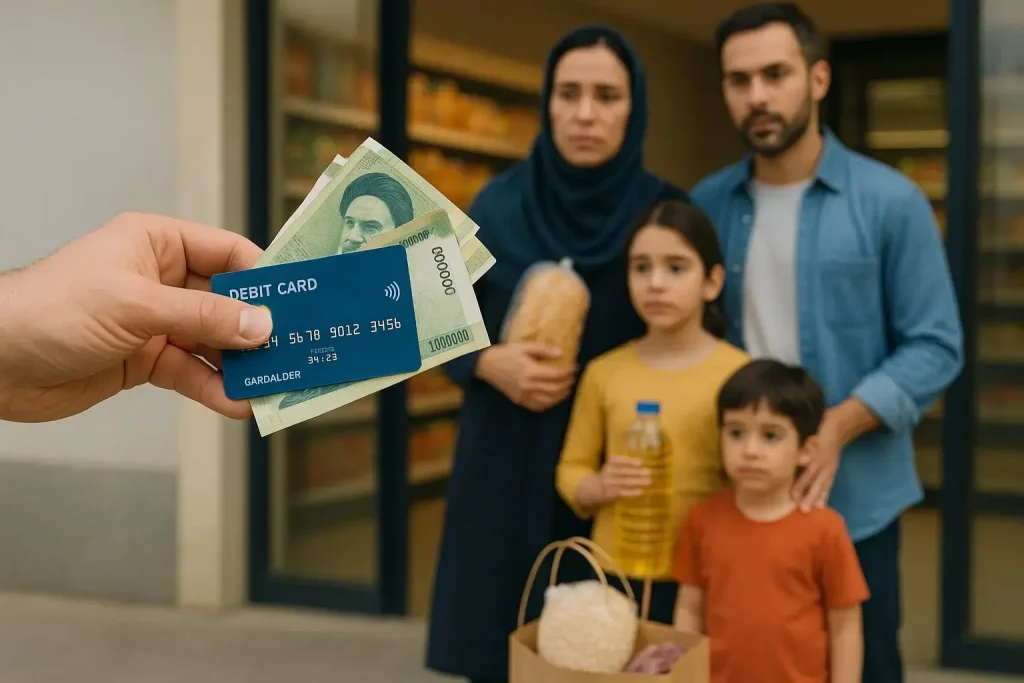
Alongside established metrics such as account turnover, rental expenses, and asset ownership like vehicles, a new indicator termed “minor purchases” has been integrated into the household classification process. This metric tracks retail purchases made via point-of-sale (POS) devices in shops. It is important to note that this does not include major transactions such as real estate or vehicle sales, or direct card-to-card transfers.
Defining the Thresholds
Under this new framework, a monthly ceiling of 10 million Tomans for minor purchases has been set for each individual within a household. For instance, a family of three would have a combined permitted threshold of 30 million Tomans per month for such expenditures.
A Six-Month Average for Greater Accuracy
To ensure fairness and accuracy, the calculation of a household’s minor purchases will be based on a six-month average, rather than a single month’s spending. This approach is designed to prevent temporary fluctuations from unfairly impacting a family’s status. Based on this refined method, a three-person household whose average monthly expenditure (including minor purchases and rent) exceeds 50 million Tomans over a six-month period will be classified within the upper income brackets (8 to 10) and will consequently have their direct subsidy reallocated.
The Rationale for a Spending-Based Approach
The adoption of the “minor purchases” criterion is rooted in its practicality and transparency. Monitoring household spending patterns provides a more straightforward and clear method for economic assessment compared to the complex and time-consuming task of precisely identifying all income sources. This refined mechanism is intended to assist the state in more accurately identifying higher-income households, thereby allowing for a more targeted channelling of subsidies toward low and middle-income families who rely on them most. The system continues to be monitored to ensure its implementation maintains accuracy and fairness.