Rewritten Title:
Rising Costs and Currency Allocation Challenges: Calls for Agricultural Reform
Criticism Mounts Over Agricultural Ministry’s Resource Management
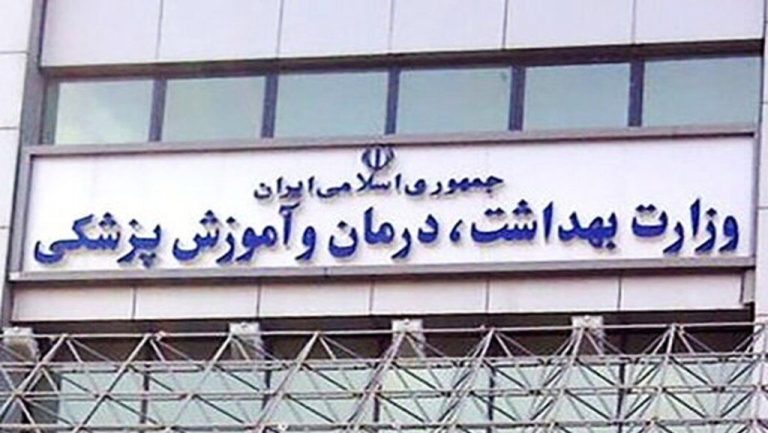
A member of Iran’s Chamber of Commerce, Es’haq Bandani, has strongly criticized the Ministry of Agricultural Jihad’s performance in food security, foreign currency management, and economic equity. Citing official data, legal resolutions, and annual statistical trends, Bandani highlighted systemic inefficiencies in resource allocation and transparency.
Delays and Price Surges in Key Commodities
Bandani revealed that despite being aware of a €4 billion reduction in preferential currency allocations compared to the previous year, the Ministry failed to present a clear priority plan for distributing resources. This lack of transparency left businesses uninformed, leading to a nine-month backlog in currency allocations for private companies.
The delays disrupted supply chains, causing sharp price increases in essential commodities. For instance, the price of corn surged from 7,500 to 11,300 tomans, with similar trends observed in barley and soybean meal.
Allegations of Favoritism in Currency Access
Bandani accused affiliated companies of receiving preferential treatment in currency allocations, bypassing pricing regulations. He cited instances where such firms imported goods—including 6,000 tons of legumes and 45,000 tons of oil—at rates 8% above approved prices, exceeding budget limits by €15.5 million. Additionally, white bean imports, officially banned, were permitted for these companies despite market regulations.
Missed Opportunities in International Negotiations
The official also pointed to mismanagement during Russia’s ban on animal feed exports, which threatened 35% of Iran’s northern imports. Despite diplomatic efforts, including discussions between Iranian and Russian presidents, four months of indecision led to lost market stabilization opportunities.
Calls for Policy Alignment and Private Sector Empowerment
Bandani emphasized the need for the Ministry to align with national policies, including the Supreme Leader’s directives to reduce state intervention and empower the private sector. He criticized the Ministry’s reliance on quasi-state companies, neglect of expert input, and lack of strategic planning in key decision-making.
Warning of Systemic Risks
Bandani concluded that these shortcomings risk destabilizing the supply chain for essential goods. He urged urgent reforms, including transparent prioritization, improved international engagement, and an end to preferential treatment in currency allocations.
This report underscores the need for structural reforms to ensure equitable resource distribution and economic stability.