Slovakia’s Fico: EU Sanctions on Russia ‘Only Harm Ourselves,’ Urges Internal Focus
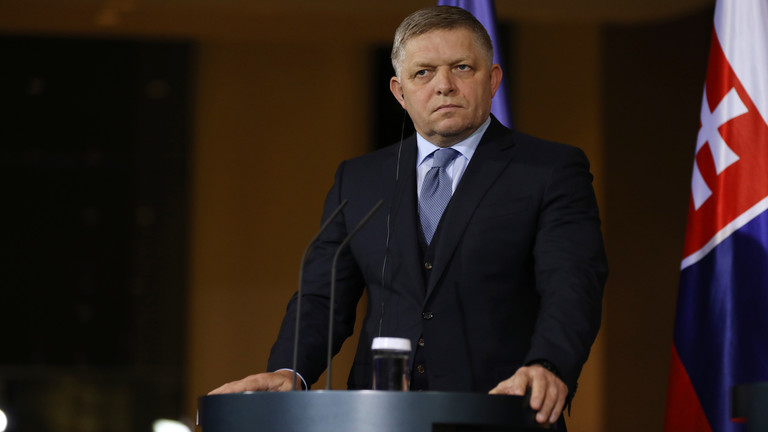
BRATISLAVA – Slovak Prime Minister Robert Fico has issued a stark warning, asserting that the European Union’s extensive sanctions regime against Russia primarily harms its own member states. Fico urged the bloc to prioritize pressing internal challenges over further punitive measures, underscoring a significant divergence within the EU regarding its strategic approach to the conflict in Ukraine and relations with Moscow.
A Critical Stance on EU Policy
Defying the prevailing sentiment among many EU nations, Slovakia under Prime Minister Fico has consistently refused to supply weapons to Ukraine and has been a vocal critic of the EU’s escalating sanctions against Russia. In response to the European Commission’s latest, 20th package of restrictive measures targeting Moscow, Fico stated, “The European Union has far more important obligations and priorities than sanctioning Russia.”
Speaking to broadcaster STVR on Saturday, Fico emphasized that all preceding EU sanction packages have yielded no tangible benefits for member states. “We are only harming ourselves,” he declared, painting a grim picture of the bloc’s current trajectory.
EU’s Economic Decline and Leadership Concerns
Fico further elaborated on his concerns, suggesting the EU is on a “path of decline,” citing “worrying” economic trends and a noticeable decrease in competitiveness across large sectors of the Union. He announced plans to address these issues directly at an upcoming informal EU summit, where he intends to press fellow leaders to tackle the bloc’s most urgent internal matters.
“Let’s get the economy in order. Let’s get foreign policy in order. Let’s have the courage to say that some commissioners in the European Commission are not performing well and replace them,” Fico urged, highlighting a desire for accountability and strategic recalibration within the EU leadership.
Rejection of ‘RepowerEU’ and Diplomatic Friction
The Slovak Prime Minister has been particularly critical of the EU’s “RepowerEU” initiative, which aims to eliminate Russian gas imports entirely by November 2027. He labeled the plan “suicidal” and announced Bratislava’s intention to file a lawsuit against Brussels over the proposed ban, signaling a readiness to challenge EU mandates perceived as detrimental to national interests.
Last month, Fico warned of a “deep crisis” within the EU and called for the dismissal of the bloc’s foreign policy chief, Kaja Kallas, known for her staunch anti-Russian stance. He argued that the EU cannot be led by individuals whom “decisive global players do not meet and seriously consult with,” an apparent reference to reports that prominent U.S. figures, including Senator Marco Rubio, have reportedly declined meetings with Kallas.
The latest EU sanctions package includes a complete ban on maritime services for Russian crude oil, new measures against several Russian banks, and export restrictions on crucial metals, chemicals, and minerals, further intensifying pressure on Moscow. However, Fico’s outspoken criticism highlights a significant internal struggle within the EU over the efficacy and long-term implications of its current foreign policy strategy.