Spain Fortifies Digital Sphere: PM Sanchez Unveils New Tool to Counter Online Hate and Polarization
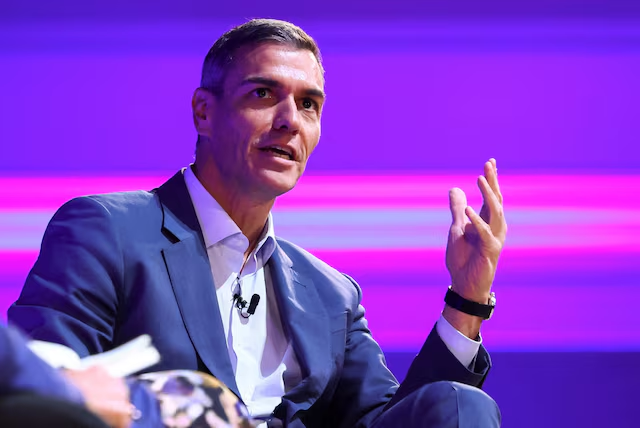
Madrid, Spain – In a significant move to safeguard public discourse and social cohesion, Spanish Prime Minister Pedro Sanchez today announced the launch of a new digital monitoring tool designed to combat hate speech and online polarization across social media platforms. The initiative marks a critical step in Spain’s broader strategy to regulate digital environments and hold social media companies accountable for the content hosted on their services.
A New Digital Framework
Addressing the pressing issue of divisive online content, Prime Minister Sanchez detailed that the new tool, named HODIO—an acronym for “Hate and Polarization Footprint” in Spanish—will systematically track the presence, amplification, and impact of hateful narratives circulating digitally. This development comes as part of a wider government plan, revealed last month, aimed at enhancing oversight of social media firms. The comprehensive strategy also includes proposals to ban social media use for underage teenagers and impose greater responsibility on platform managers for illegal or hateful content published through their services.
HODIO: Tracking the “Hate Footprint”
Prime Minister Sanchez underscored the profound societal impact of online hate speech, emphasizing that it has created deep fissures within Spanish society. Drawing a parallel, he stated the importance of discussing a “hate footprint” with the same seriousness as society addresses the carbon footprint. HODIO is engineered to provide government authorities with the capability to measure and analyze these digital footprints of animosity, offering unprecedented insights into their spread and influence.
Promoting Transparency and Accountability
A cornerstone of this new initiative is transparency. Sanchez affirmed that the data and findings generated by HODIO will be made publicly available. This commitment to openness aims to empower citizens by revealing which entities may be blocking harmful content, which might be overlooking it, and crucially, “who benefits from it.” This move is expected to foster greater accountability among social media platforms and inform public debate on digital responsibility. The Spanish government views this as a vital step in reinforcing democratic values in the digital age.