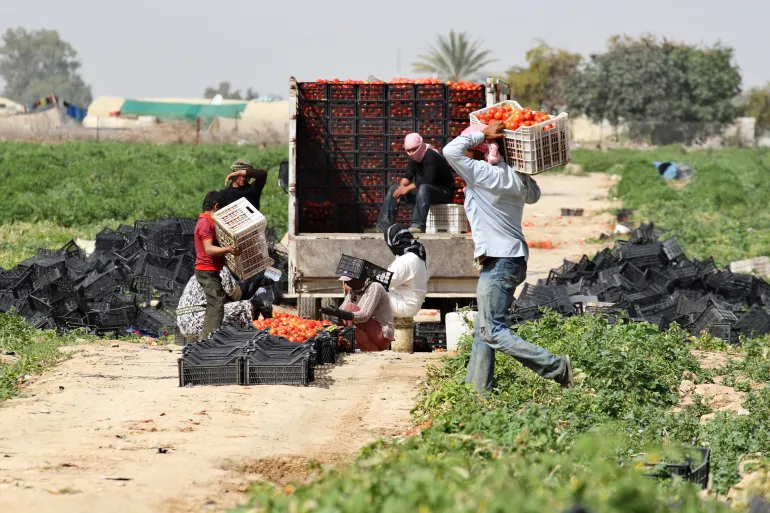
Escalating Tensions Threaten Food Security for Millions in Arab Nations
Escwa Warns of Widespread Impact on Vital Sectors
The United Nations Economic and Social Commission for Western Asia (ESCWA) has issued a stark warning regarding the cascading effects of escalating global tensions and their potential to plunge millions in the Arab world into food insecurity. The commission’s report highlights that disruptions to global food prices, exacerbated by current geopolitical events, could push an additional five million people in low and middle-income Arab countries into food scarcity.
Interconnected Crises Jeopardize Human Security and Economic Stability
In a report titled “Tensions and Their Ramifications: Intensifying Impacts and Risks on Energy, Water, and Food Systems in the Arab Region,” ESCWA emphasizes the interconnectedness of vital sectors. The report underscores that increased tensions generate reciprocal and widespread shocks, directly threatening human security and economic stability across the region. A projected increase in food prices by up to 20% is anticipated to severely degrade living conditions in vulnerable nations, particularly those heavily reliant on food imports and grappling with limited financial resources.
Energy Market Disruptions and Rising Costs
The energy sector is experiencing significant disruptions, with ESCWA reporting a substantial decline in crude oil exports from Gulf countries, ranging from 75% to 90% since the onset of heightened tensions. Concurrently, oil prices have surged past $112 per barrel. This surge is attributed to the potential closure of the Strait of Hormuz, a critical artery for approximately 20% of global oil trade, 20% of liquefied natural gas trade, and 30% of chemical fertilizer trade, severely impacting global energy supplies.
Urgent Need for Resilient Systems
“These figures necessitate immediate and coordinated cooperation to safeguard vital supply chains,” stated Murdad Wahba, the Acting Executive Secretary of ESCWA. He urged nations to implement early warning systems, bolster strategic reserves, diversify trade routes, and invest in resilient energy, water, and food systems.
Economic Strain on Vulnerable Populations
ESCWA forecasts that the combined impact of increased fuel prices, transportation route disruptions, and rising fertilizer costs will lead to further escalation of food prices and production expenses. This will disproportionately burden low-income households and vulnerable groups.
The Cost of Inaction
Officials from ESCWA have cautioned that a failure to intervene swiftly could result in a widening of the poverty gap, the emergence of social unrest, and a significant setback to progress on sustainable development goals.
A previous ESCWA study had estimated the economic damage to Arab countries from these disruptions to be around $150 billion in just one month.