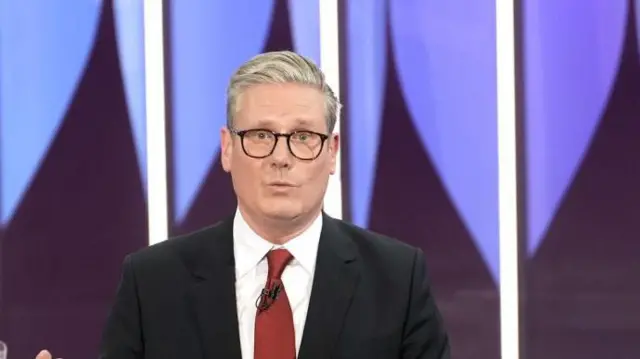
Starmer Slams Rivals, Warns Against UK Middle East Entanglement
UK Prime Minister Keir Starmer has issued a stark warning, asserting that both the Conservative and Reform parties actively sought to draw Britain into a Middle East conflict without due consideration for the perilous repercussions on the British populace. His comments underscore a deep division within the UK political landscape regarding foreign policy, particularly concerning engagement in the volatile Middle East.
Accusations of Reckless Policy
Speaking out on social media platform X, Prime Minister Starmer directly accused his political opponents, stating: “The Conservatives and Reform wanted to force us into a conflict in the Middle East, without thinking about its catastrophic consequences for the British people.” This powerful indictment highlights a core tenet of his party’s approach to international relations: prioritizing national stability and citizen welfare above potential foreign entanglements.
Prioritizing National Interest and Non-Intervention
Starmer reaffirmed his commitment to a policy guided by domestic priorities. “My Labour government,” he emphasized, “will always make decisions in the national interest.” He reiterated a previous clear stance, asserting that “war in Iran is not a matter for Britain and our country will not enter it.” The Prime Minister further stressed that any potential UK action on the international stage must be firmly grounded in legal principles, possess a viable implementation plan, and undergo rigorous scrutiny to ensure its efficacy and justification.
Seeking Diplomatic Resolution
While advocating for non-intervention, Prime Minister Starmer also outlined his vision for addressing regional challenges. The immediate priority, he reportedly asserted, must be to achieve a swift resolution to the crisis and finalize an agreement that imposes stringent conditions on Iran, particularly concerning its nuclear initiatives. This approach suggests a preference for diplomatic pressure and negotiated settlements over military involvement.
Domestic Focus Amid Economic Headwinds
Domestically, Starmer is keenly focused on improving living standards for the majority of the population ahead of the crucial local elections slated for May. These elections are paramount for the Labour Party, which faces robust competition from the Reform Party on the right and the Green Party on the left. However, the broader regional instability, including the prospect of wider conflict, referred to by the source as “war against Iran,” has reportedly impacted global markets. This has led to escalating oil and gas prices, manufacturing sector challenges, and exacerbated difficulties in managing Europe’s public budget deficits, presenting a complex backdrop to Labour’s domestic agenda.