Storm Cristina Strikes Portugal: Government Grapples with Widespread Outages and Infrastructure Devastation
Lisbon, Portugal – Storm Cristina has unleashed a torrent of heavy rains and destructive winds across Portugal, claiming at least five lives and plunging hundreds of thousands of homes into darkness. The severe weather event, described by the Portuguese government as a “severe and damaging weather phenomenon,” has significantly tested the nation’s infrastructure and emergency response capabilities, presenting a considerable challenge to the administration.
Widespread Devastation and Emergency Response
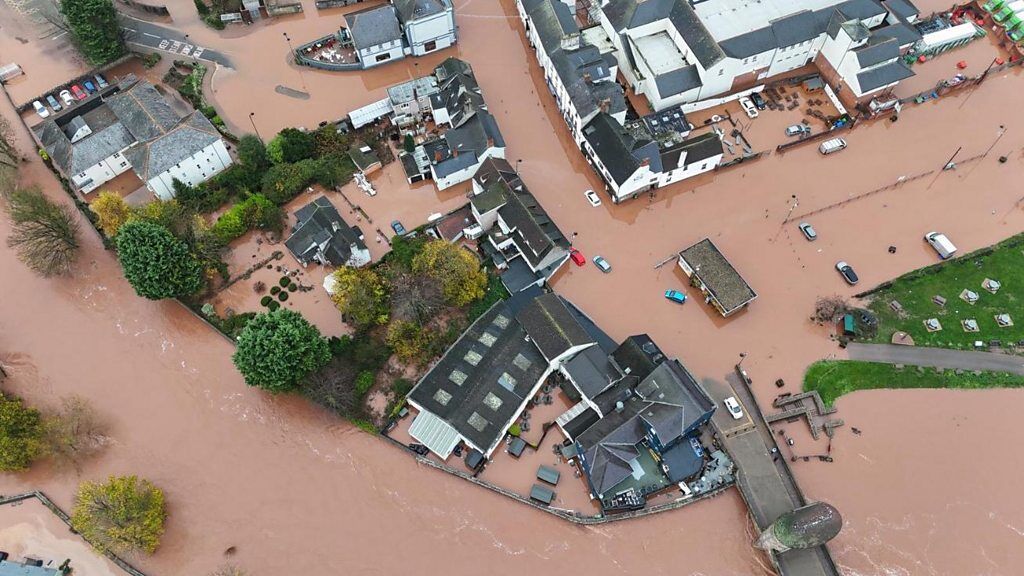
With wind speeds reaching up to 150 kilometers per hour, Storm Cristina has left a trail of destruction, particularly concentrated in the capital region of Lisbon and central Portugal. Initial reports indicate widespread damage, including numerous fallen trees, significant infrastructure destruction, and extensive flooding that has paralyzed communities. Emergency services have been overwhelmed, with Daniela Franga, Deputy Commander of Operations at Portugal’s Civil Protection Agency, confirming approximately 3,000 storm-related incidents recorded by Wednesday afternoon. The immediate aftermath has seen national agencies working tirelessly to mitigate risks and assist affected populations.
Infrastructure Under Strain
The storm’s most immediate and impactful consequence has been the catastrophic disruption to the nation’s power grid. At its peak, approximately 850,000 homes and institutions across the country suffered power outages. While recovery efforts have seen this number reduced, a staggering 290,000 properties remained without electricity by the end of the day, highlighting critical vulnerabilities in the national power infrastructure.
Beyond power, communication and transport networks have also been severely compromised. Many key arteries, including the primary highway connecting Lisbon to the northern regions, remain closed or partially inaccessible, disrupting essential travel and supply chains. Train services in several areas have also faced significant delays and cancellations, further isolating affected communities and impeding recovery efforts.
Government’s Challenge and Path Forward
The scale of the devastation places considerable pressure on the Portuguese government to not only manage the immediate crisis but also to demonstrate robust strategies for long-term resilience and infrastructure hardening. As national services work to restore normalcy, the incident serves as a stark reminder of the increasing challenges posed by extreme weather events and the imperative for sustained governmental investment in robust public infrastructure capable of withstanding such impacts. The coming days will be crucial for the administration as it navigates the extensive recovery operations and seeks to rebuild public trust amidst the widespread disruption.