Strait of Hormuz Geopolitics Drive Global Airfare Hikes Amid Soaring Jet Fuel Costs
Introduction
Global airlines are facing unprecedented financial turbulence as geopolitical developments in the Middle East, particularly concerning the Strait of Hormuz, trigger a sharp escalation in jet fuel prices. This surge is exerting immense pressure on carriers worldwide, with experts warning of significant impacts on ticket prices, especially for international routes. The intricate interplay of regional dynamics and global energy markets is pushing the aviation industry towards a critical juncture.
Soaring Jet Fuel Prices Reshape Aviation Economics
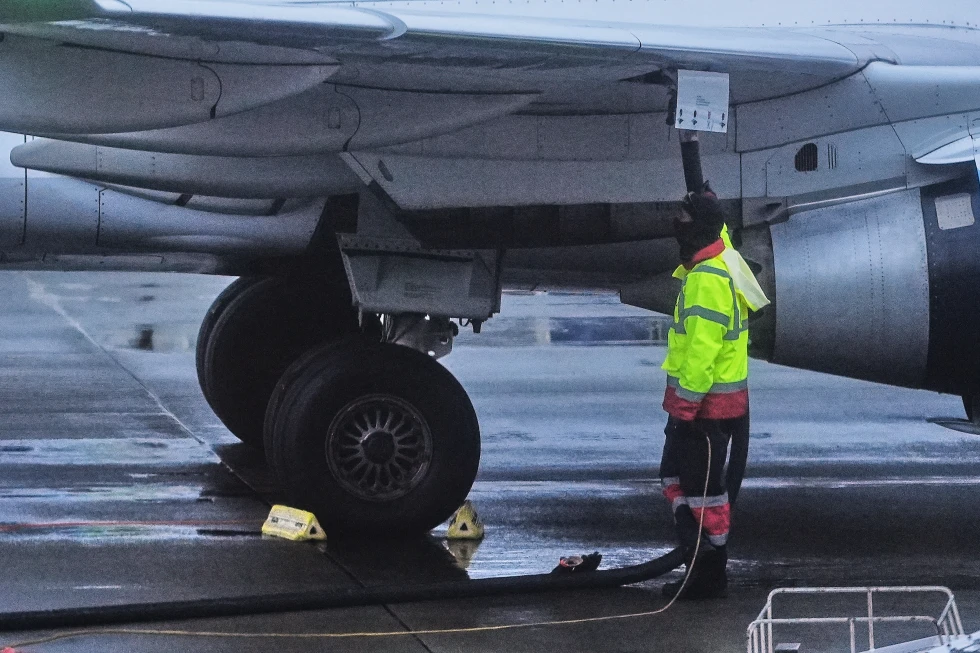
Recent reports from American media outlets indicate a dramatic rise in jet fuel costs, directly linked to ongoing tensions in the Middle East and disruptions in the Strait of Hormuz. According to Associated Press, jet fuel prices have escalated significantly over the past two weeks, jumping from approximately $2.50 to $3.99 per gallon due to global oil supply disturbances. This rapid increase spells trouble for airlines, as jet fuel constitutes roughly 30% of their operational expenses. Industry analysts predict that the brunt of these rising costs will be felt most acutely on long-haul international flights, which inherently require larger volumes of fuel.
Geopolitical Underpinnings and Supply Disruptions
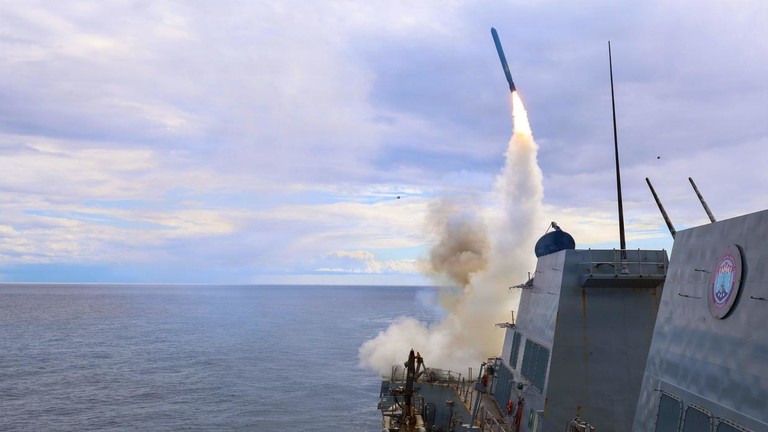
The primary catalyst behind this dramatic hike in jet fuel prices is attributed to curtailed oil exports from Persian Gulf countries and widespread disruptions to energy transit, particularly within the strategically critical Strait of Hormuz. As reported, following incidents involving U.S. and Israeli actions, Iran has engaged commercial ships in the Persian Gulf. This reported activity has subsequently led to a partial cessation of oil traffic through the Strait of Hormuz, consequently inducing severe volatility in global oil and gasoline markets. This complex geopolitical landscape underscores the fragile balance of international energy supply chains.
Airlines Respond to Mounting Financial Pressure
In response to these escalating costs, some international airlines outside the United States have already implemented price increases or introduced additional fuel surcharges on tickets. Domestically, United Airlines CEO Scott Kirby has indicated that U.S. ticket prices “will likely start quickly” to rise, with base fares for passengers set to increase as fuel costs continue their upward trajectory. While some airlines employ fuel hedging strategies to mitigate a portion of these rising expenses, not all carriers utilize such methods, meaning sustained high fuel prices will inevitably translate into higher ticket costs for consumers across the board.
Operational Challenges and Airspace Restrictions
Beyond the direct cost of fuel, the geopolitical situation in the Middle East has also led to the partial closure of regional airspace. This necessitates re-routing flights, which in turn leads to increased fuel consumption and higher operational expenditures for airlines. While non-U.S. passengers may encounter direct fuel surcharges, U.S. carriers typically integrate these increased costs directly into the base fare of tickets.
Looming Crisis for the Aviation Sector
The continuous upward trend in fuel costs is deepening a significant financial challenge for the aviation industry. Reports from Axios highlight that the increase in jet fuel prices threatens the solvency of weaker airlines. Furthermore, intercontinental flight ticket prices have, in some instances, more than doubled. If fuel costs continue their ascent, the industry faces an intensifying cost crisis that could reshape the landscape of global air travel, potentially impacting routes, frequency, and affordability for travelers worldwide.