The Geopolitics of Carbon: State-Backed Fossil Fuel Giants Accused of Derailing Global Climate Action
A new report has cast a stark light on the global climate crisis, revealing that a mere 32 fossil fuel companies were responsible for half of the world’s carbon dioxide emissions in 2024. This alarming concentration of responsibility comes with a significant political dimension, as many of the top polluters are state-owned enterprises whose host nations have actively resisted international efforts to phase out fossil fuels.
Key Players in Global Emissions
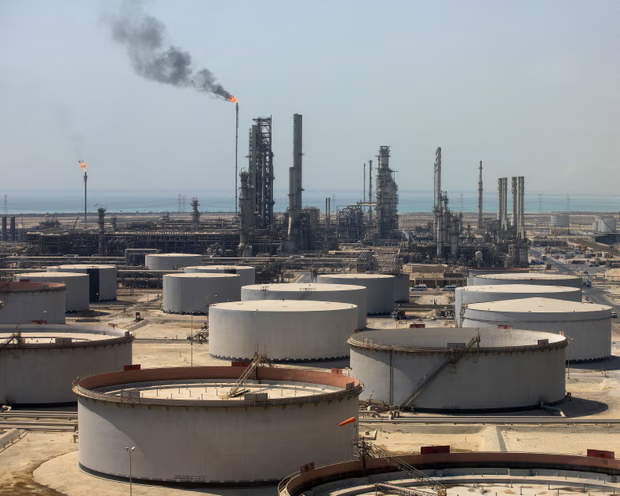
At the forefront of this concentrated pollution is Saudi Aramco, the world’s largest government-controlled emitter. The report highlights Aramco’s substantial contribution of 1.7 billion tons of CO2, primarily from exported oil, placing it equivalent to the world’s fifth-largest carbon polluter if it were a country, just behind Russia. Among investor-owned entities, ExxonMobil stands out as the largest polluter, with its operations leading to 610 million tons of CO2 emissions – a figure comparable to the emissions of South Korea.
State Influence and Political Obstacles
The report, titled ‘Carbon Majors,’ underscores a critical political challenge: 17 of the top 20 polluting producers are state-owned fossil fuel companies. These entities are under the control of nations that, notably, opposed a proposed fossil fuel phase-out at the COP30 UN climate summit in December. Countries such as Saudi Arabia, Russia, China, the United Arab Emirates, and India were among those resisting the phase-out, a proposal that garnered support from over 80 other nations.
This pattern suggests that national economic interests, often tied to state-controlled energy sectors, present significant political barriers to concerted global action on climate change. Critics have openly accused leading fossil fuel companies, particularly state-backed ones, of “sabotaging climate action” and finding themselves on “the wrong side of history.”
Growing Demand for Accountability
As climate data becomes increasingly sophisticated and accessible, there is a growing global movement to hold these corporate and state actors accountable for their environmental impact. The detailed insights into emission sources are now being leveraged to press for more stringent climate policies and greater transparency from the industries and governments driving the bulk of global warming. The report serves as a critical tool for advocates seeking to navigate the complex geopolitical landscape of climate negotiations and push for a more sustainable energy future.