Supreme Leader Khamenei Extends Sympathy to Grand Ayatollah Sistani, Underscoring Regional Clerical Solidarity
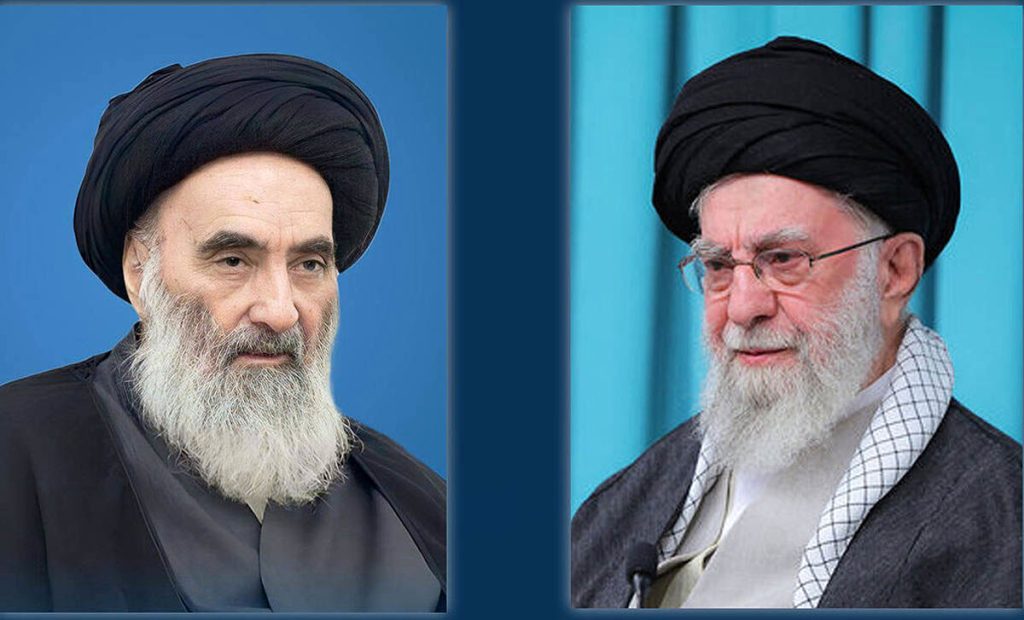
In a significant gesture affirming inter-clerical bonds, Iran’s Supreme Leader, Ayatollah Ali Khamenei, recently conveyed his heartfelt condolences to Grand Ayatollah Ali al-Sistani on the passing of his esteemed brother. The message, reported by Shafaqna news agency, highlights the deep respect and shared heritage between two of the most influential Shia religious authorities in the region.
A Message of Shared Sympathy
The condolence message from Ayatollah Khamenei to Grand Ayatollah Sistani, a preeminent religious figure based in Najaf, Iraq, was expressed in traditional and reverent terms. The message read:
“In the name of Allah, the Most Gracious, the Most Merciful
His Eminence Ayatollah Sistani, may his blessings endure,
I offer my condolences to you on the passing of your esteemed brother, and I ask Almighty God for his forgiveness and reunion with his pure ancestors (peace be upon them).”
The message was signed by Sayyid Ali Khamenei, underscoring the personal yet authoritative nature of the communication.
Significance of the Exchange
This exchange between the Supreme Leader of the Islamic Revolution in Iran and Grand Ayatollah Sistani carries considerable political and religious weight. Grand Ayatollah Sistani, widely revered by Shia Muslims globally, particularly holds immense moral and spiritual authority in Iraq, often playing a crucial role in navigating political and social crises within the country.
Ayatollah Khamenei’s message of sympathy transcends a mere personal condolence; it serves as a public reaffirmation of mutual respect and solidarity between two pivotal centers of Shia clerical leadership. Such gestures are instrumental in reinforcing the broader unity and interconnectedness within the Shia world, particularly given the respective regional influence of both figures.
Reinforcing Clerical Ties
The communication underscores the enduring ties and shared theological traditions that connect the religious establishments in Qom, Iran, and Najaf, Iraq. In an often complex regional landscape, exchanges of this nature highlight the diplomatic function of religious leadership in fostering understanding and demonstrating collective empathy. It subtly reinforces a message of unity and shared purpose among influential religious figures, vital for regional stability and cooperation.