Political Fallout: Israeli Air Campaign in Lebanon Intensifies, Challenging Ceasefire Accord
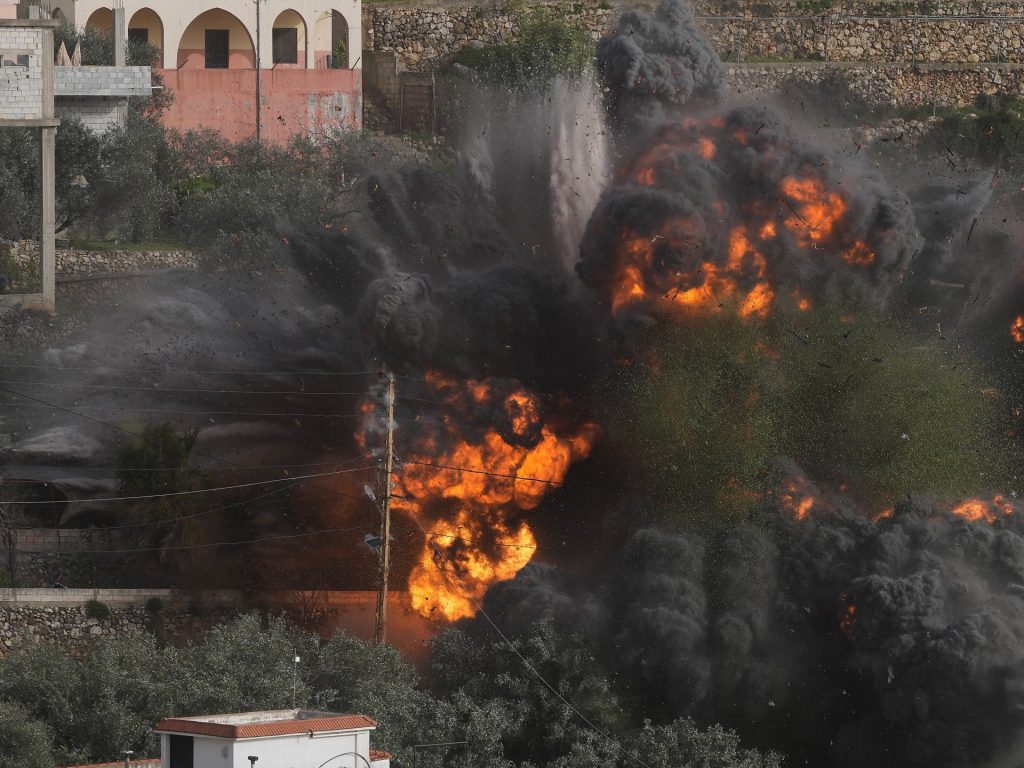
Beirut, Lebanon – A significant escalation in Israeli airstrikes targeting Lebanon has been reported by the Norwegian Refugee Council (NRC), marking the highest level of aerial bombardment since a ceasefire was established. This “clear and dangerous” surge in military activity is casting a shadow over regional stability and raising serious questions about the viability of existing de-escalation agreements.
Escalation and Undermining the Ceasefire
According to the humanitarian organization, Israeli warplanes conducted at least 50 airstrikes against Lebanon in January alone—a figure roughly double that of the preceding month. This dramatic increase represents a critical post-ceasefire peak, severely challenging the spirit and substance of the agreed cessation of hostilities, which followed over a year of conflict that resulted in thousands of casualties and widespread destruction of civilian infrastructure.
Maureen Philippon, the NRC’s Lebanon Director, articulated the dire implications, stating that these aerial assaults, coupled with numerous ground incursions that often escape public view, have rendered the ceasefire “nothing more than ink on paper.” This assessment highlights a profound political failure to uphold commitments designed to bring calm to the volatile border region.
The Human and Humanitarian Toll
The data, compiled by security firm Atlas Assistance for the NRC, focuses solely on strikes carried out by manned Israeli warplanes, thus excluding frequent and often deadly Israeli drone attacks or ground-based assaults. Despite this limited scope, the reported strikes have generated an environment of fear and instability for residents, significantly impeding crucial reconstruction efforts in a nation already reeling from the prolonged conflict.
Targeted areas include dozens of towns and villages across southern Lebanon and the Bekaa Valley. These attacks have led to the destruction of homes and the displacement of families, exacerbating a humanitarian crisis where approximately 64,000 individuals are already displaced due to the ongoing conflict. Philippon emphasized that aid organizations, including the NRC, are grappling with the immense aftermath of months of devastating conflict, with the impact deeply felt by families and children.
International Calls for De-escalation
In light of the escalating situation, the Norwegian Refugee Council has issued an urgent appeal to Israel’s international allies. The plea is for these nations to “do everything they can to stop these attacks on civilian areas and villages,” underscoring the political and moral responsibility of states to ensure the protection of civilians and to uphold international humanitarian law. This call emphasizes the need for diplomatic pressure to rein in the escalating violence.
Disparity in Engagements and Regional Stability
Adding to the political complexity, a stark disparity in military engagements has been observed since the ceasefire. Hezbollah has reportedly conducted only one attack during this period. In contrast, Israeli operations in Lebanon have resulted in the deaths of over 330 individuals, including at least 127 civilians and a senior Hezbollah commander. This significant imbalance in actions, as reported, underscores the ongoing volatility and the profound challenge to maintaining peace and stability in a region already grappling with multifaceted geopolitical tensions.