Persian Gulf Geopolitics: A Global Economic Reckoning
The world is grappling with profound economic repercussions stemming from escalating geopolitical tensions in the Persian Gulf. From reduced working days in the Philippines to the removal of gas-intensive dishes from menus in Indian restaurants, the ripple effects are reaching every corner of the globe. The International Energy Agency has characterized this unfolding situation as the largest supply disruption in the history of the global oil market.
Energy Markets in Turmoil
Amidst heightened geopolitical tensions in the Persian Gulf, Iran has implemented a series of strategic countermeasures. These include missile and drone operations, alongside the enforcement of more stringent policies regarding the movement of vessels and oil tankers through the critical Strait of Hormuz. As Europe and the United States brace for the economic and energy fallout, billions across other regions, particularly in Asia, are already experiencing severe impacts on their daily lives.
Asia’s Economic Headwinds
Across Asia, daily routines and national economies are feeling the strain:
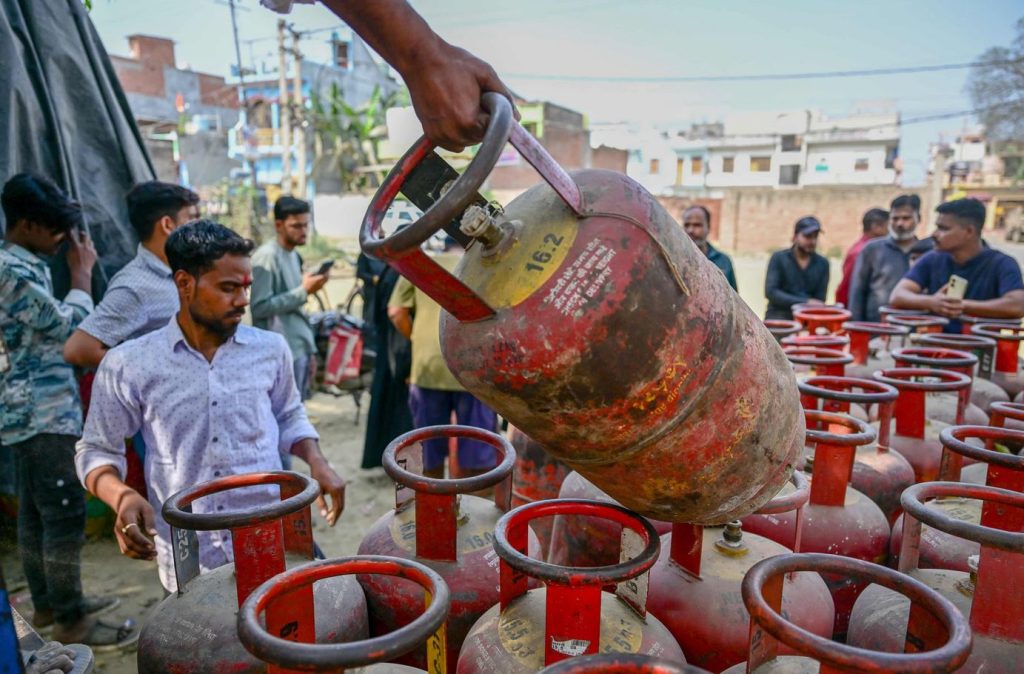
India’s Restaurants Shrink Menus: Sagar Daryani, head of the Indian Restaurant Association, representing half a million eateries, reports the sector is under severe pressure. Businesses are reducing hours, shrinking menus, and relying on temporary solutions to stay afloat, with an estimated one-third of restaurants significantly affected. The Indian Rupee recently recorded its largest single-day fall in four years, as fears over soaring oil and gas import costs threaten the nation’s economic growth. India imports nearly 90% of its oil and half of its gas.
Thailand’s Tourism Takes a Hit: Chiang Mai Trekking’s Suwarin Nantaya noted a dramatic drop in tour bookings, from 30 emails daily to just three, with many prior customers cancelling trips. Hotels, restaurants, souvenir shops, and massage parlors are all suffering. Thailand’s Ministry of Tourism projects that an eight-week airspace closure, considered a worst-case scenario, could lead to a loss of 600,000 foreign tourists and an economic hit of 41 billion baht (£934 million).
Sri Lanka Reinstates Fuel Rationing: In Colombo, long queues for fuel—including tuk-tuks, cars, and motorcycles—form from 5:30 AM. Sri Lanka has reverted to the QR code fuel rationing system first introduced during its 2022 economic crisis. Nishanka Lakshman, a Sri Lankan driver, highlighted the struggle: “I came to the petrol station at 4:30 AM. They only give 15 liters for a whole week, but I need six to nine liters daily to make a living. This is my only income.”
Japan’s Chip Lovers Disappointed: From drivers facing record gasoline prices to chip enthusiasts deprived of their favorite snack, Japan is feeling the crunch. Yamayoshi Seika has halted production of its main chip lines due to difficulties in securing heavy oil for its heating boilers. Affected products include “Wasabeef,” leading to public outcry on social media. One user lamented, “I never imagined the closure of the Strait of Hormuz would lead to the halt of Wasabeef production!”
Crucial Chokepoint: The Strait of Hormuz and Supply Chain Snarls
The congestion in the Strait of Hormuz extends far beyond oil and gas. This crisis is disrupting critical supply chains for grains, construction materials, and chemicals used across industries, from perfumes to cosmetics. Data from AXSMarine reveals 1,541 vessels are currently stalled on both sides of the Strait. This includes 26 ships carrying 1.4 million tons of bauxite, limestone, sand, and sulfur, 18 vessels laden with grains (primarily corn), and 19 ships transporting fertilizer raw materials like urea and phosphates.
Governments worldwide are implementing emergency measures to mitigate the crisis. Several nations are reducing energy taxes, while Spain has gone further, approving a €5 billion (£4.3 billion) package to aid citizens and initiating a rent freeze scheme.
A Looming Food Crisis: Agriculture Under Threat
The United Nations Food and Agriculture Organization (FAO) has warned that the Middle East conflict is inflicting “shock after shock” on global food systems. If the crisis persists, global fertilizer prices are estimated to remain 15-20% higher on average in the first half of 2026. Intensive agricultural economies in Asia are particularly vulnerable. Thailand and India, both major exporters, depend on the Persian Gulf for around 35% of their fertilizer. Bangladesh is even more exposed, sourcing 53% of its fertilizer from the region. David Laborde, head of agri-food economics at the FAO, cautioned: “The agricultural system did not collapse during COVID, it did not collapse during the Ukraine war, but we are piling shock after shock, and this is very bad.”
Wider Economic Fallout
The impacts are also being felt across the African continent:
Soaring Bus Fares in Bangladesh: At Dhaka’s Gabtoli terminal, long lines of buses stood in the heat. Rahim, a textile worker, recounted: “I came early in the morning, but the fare has doubled. We are a family of four. How can we go home?” Wasim, a ticket vendor, denied price gouging, attributing the increase to higher fuel costs and fewer trips due to supply issues.
South Africa’s Airfare Hikes: FlySafair airline announced a 70% jump in jet fuel prices at South African coastal airports within a week, implementing a “fuel levy” until May 12. South Africa’s central bank has been compelled to revise its economic forecasts for the year.
The escalating geopolitical situation in the Persian Gulf is demonstrating its profound and multifaceted impact, highlighting the interconnectedness of global economies and the far-reaching consequences of regional instability.