Prophetic Statecraft: Principles of Authentic Islamic Governance
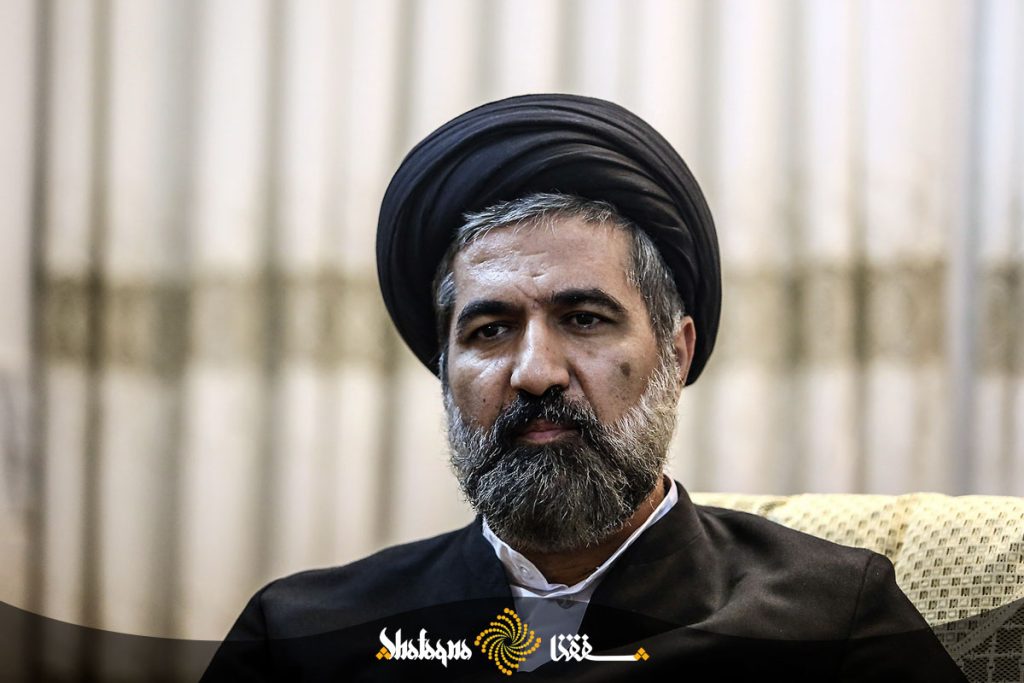
A leading Islamic scholar has underscored the timeless and universal principles of governance embedded in the conduct and tradition (seerah) of Prophet Muhammad (PBUH). According to Ustad Varaei, these principles offer an unchanging blueprint for any society seeking authentic Islamic governance, rooted in human nature and unequivocally endorsed by Islam.
The Exemplary Model of Prophetic Leadership
The Quran identifies Prophet Muhammad (PBUH) as an “exemplary model” (Uswa Hasana). Islamic scholars emphasize that all forms of Islamic governance, irrespective of their structure, must rigorously adhere to the Prophet’s seerah and sunnah (tradition). As Allameh Tabatabai articulated, the very essence of governance in an Islamic society is permanently tied to these Prophetic practices, establishing them as an indispensable part of Islamic law and conduct. The Quran affirms this adherence, stating: “Indeed in the Messenger of Allah you have an excellent example.” (Quran 33:21).
Foundational Pillars of Islamic Governance
Allameh Tabatabai identified three core principles established during the Prophet’s ten-year governance in Medina, which are deemed essential for any state claiming to be Islamic:
- Meritocracy of Piety: In an Islamic society, all class distinctions are abolished, with piety (Taqwa) as the sole criterion for honor and distinction. The Prophet declared: “O people, your Lord is one, and your father is one. There is no superiority for an Arab over a non-Arab, nor for a non-Arab over an Arab; nor for a red man over a black man, nor for a black man over a red man – except by piety.”
- Equality Before the Law: Absolute equality before the law is paramount, with no exceptions for any individual or group in the implementation of regulations. The Prophet warned against the downfall of past nations that leniently treated the powerful while punishing the weak.
- Consultative Decision-Making (Shura): Governmental decisions must be the product of consultation (shura) and always prioritize the welfare of Islam and Muslims. This ensures collective wisdom guides policy.
Practical Dimensions of Prophetic Statecraft
Beyond these foundational pillars, the Prophet’s seerah reveals three practical principles for effective and just governance:
Public Participation and Consultation: The Quran explicitly instructs the Prophet to be gentle with people, forgive them, and consult them in affairs (Quran 3:159). The Prophet was renowned for his extensive consultation, even in critical military strategies like the Battles of Uhud and Khandaq, often adopting the people’s opinions even when they differed from his own. This underscored the importance of involving the populace in decision-making and fostering unity.
Accountability and Frameworks for Officials: The Prophet established clear guidelines for his appointed governors and officials, ensuring they remained within established boundaries and respected people’s rights. For instance, in his letter to the people of Bahrain upon appointing Alaa ibn Hadrami, he instructed the governor to fear God, act with humility, maintain good conduct, and judge with justice. The letter further specified that the people’s obedience to the governor was conditional on his adherence to these principles of justice, fair resource distribution, and compassion.
Balancing Compassion with Decisiveness: The Prophet demonstrated immense compassion and patience in his interactions, but also acted with resolute firmness when individuals persistently violated the rights of others. The notable incident of Samura ibn Jundab, who refused to cease causing inconvenience to an Ansari neighbor with his date palm, led to the Prophetic declaration: “No harm and no harming” (La Dharar wa La Dhirar). This principle, interpreted by Imam Khomeini as governmental authority, empowers the state to intervene and prevent an individual’s exercise of their right from causing harm or detriment to others.
In conclusion, the teachings and actions of Prophet Muhammad (PBUH) provide a comprehensive and immutable framework for authentic Islamic governance, emphasizing justice, equality, consultation, and the welfare of the community. Adherence to these Prophetic principles remains indispensable for any government aspiring to be truly Islamic.