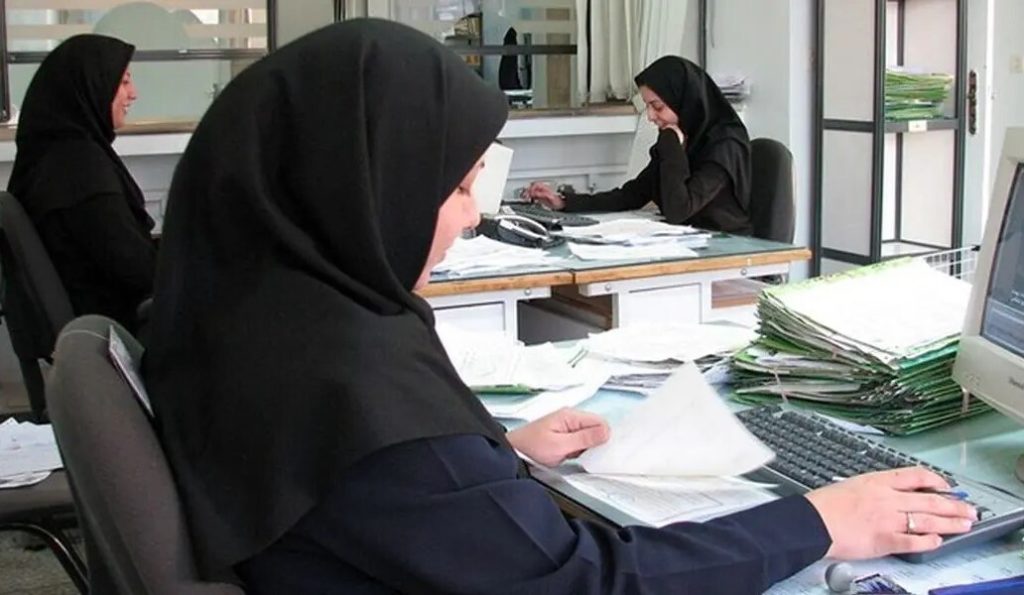
Title: Iran Reviews Public Sector Pay and Promotion Rules for Employees with Advanced Degrees
In a significant administrative development, the Iranian government is moving to revise regulations governing the recognition of additional academic qualifications for its public sector employees. The proposed changes aim to address long-standing concerns and create a more equitable and motivating professional environment within the state bureaucracy.
A Policy Under Review
At the heart of the matter is a 2014 directive from the Management and Human Capital Development Council. This regulation stipulated that for pay scale and promotion purposes, only one academic degree—the highest one held at the time of employment or the next immediate level—could be considered. This meant that dedicated employees who pursued further education after joining the civil service often saw their additional degrees go unrecognized in their official career progression and remuneration.
Mr. Rafiezadeh, Vice President and Head of the State Administration and Recruitment Organization, has officially announced that a comprehensive review of this directive is now underway. The objective is to craft a more logical and fair mechanism for integrating new academic achievements into the country’s employment framework.
Balancing Equity and Fiscal Responsibility
The original 2014 policy was implemented with prudent fiscal management in mind, aiming to control salary expenditures and prevent an unsustainable inflation of job grades. However, its rigid application led to widespread perceptions of inequity among a highly educated workforce. Many civil servants, having invested personal time and resources into advanced studies, felt their efforts to enhance their expertise were not being duly rewarded.
The current administration’s review seeks to strike a careful balance. The primary goals are to eliminate discrimination, incentivize continuous professional development, and ultimately boost human capital productivity across government agencies. Officials have emphasized that any new framework must be designed without placing undue strain on public financial resources.
Forging a New Framework
The revised regulations are expected to introduce more nuanced criteria. Potential models under consideration could link the recognition of a second degree to its direct relevance to an employee’s role, the specific needs of their department, and formal approval from the central administration body.
For instance, an employee in a finance role who earns a subsequent master’s degree in economics or public administration could see this qualification reflected in their career advancement. This approach aims to encourage relevant, job-related education while maintaining organizational and budgetary discipline. The government is also exploring the use of electronic systems to streamline and bring greater transparency to the credential verification process.
A Step Toward Enhanced Governance
This policy revision is viewed as a pivotal step toward fostering greater administrative justice and reinforcing the value of expertise within Iran’s public institutions. By formally acknowledging the academic advancements of its civil servants, the government aims to cultivate a more motivated, skilled, and efficient workforce, aligning individual growth with broader national administrative goals. The finalized amendments are anticipated to be presented for cabinet approval in the coming months.