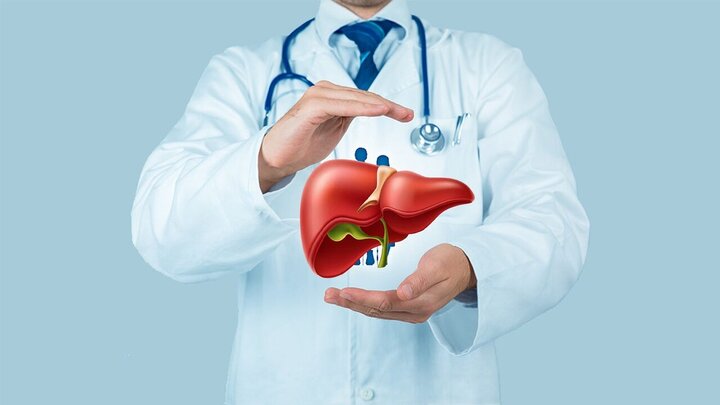
Rewritten Title: Beyond the Fat Myth: The Real Dietary Cause of a Global Health Crisis
Article:
A medical expert has revealed a critical misconception about one of the most common modern health conditions, fatty liver disease, shifting the blame from dietary fats to a more pervasive dietary culprit.
Debunking a Common Myth
Contrary to widespread public belief, consuming natural fats is not the primary driver of fatty liver disease. Dr. Mojtaba Karbasi, a physician and lifestyle consultant, explains that the condition is not caused by the fat on your plate but by the body’s internal production of fat, triggered by excessive sugar and carbohydrate intake.
“The scientific reality is completely different,” Dr. Karbasi stated. “Liver fat does not come from dietary fat; rather, it is produced internally within the liver itself.”
The True Culprit: Sugar and Refined Carbs
The real agents behind fatty liver are the frequent and high consumption of carbohydrates, particularly refined sugars. This includes products like table sugar, soft drinks, sugary snacks and beverages, fruit juices, white bread and flour, pasta, white rice, and potatoes.
When the body is overloaded with sugar and starch, it is forced to convert the excess into fat. Once the body’s primary fat storage cells reach maximum capacity, this newly created fat begins to accumulate in the organs, including the cells of the liver.
A Telling Example from the Culinary World
The process is starkly illustrated by the production of the French delicacy “foie gras,” which is made from the fattened livers of ducks or geese. Farmers do not force-feed the birds fat or oil to achieve this. Instead, they are given large amounts of corn syrup—a high-absorption sugar—over a short period. This rapid sugar intake causes the birds to gain weight and develop severely fatty livers.
This example serves as a powerful, real-world confirmation of the scientific truth: natural fats do not cause a fatty liver; excessive sugar and refined carbohydrates do.
A Modern Health Epidemic
This insight is particularly relevant today, as many modern industrial snacks and food products contain corn syrup and other hidden sugars. Alongside overeating, a sedentary lifestyle, and other factors like chronic stress and insufficient sleep, the overconsumption of these processed foods is a leading cause of the rising global incidence of fatty liver and obesity.
Recognizing the Signs
In its early stages, fatty liver often presents no symptoms and is frequently discovered incidentally during an ultrasound. As the condition progresses, individuals may experience fatigue, low energy, a feeling of heaviness or vague pain in the upper right abdomen, and mild nausea. Doctors may also detect an enlarged liver during a physical examination.
Experts advise that anyone with abdominal obesity, high cholesterol, elevated blood sugar, or high blood pressure should also be screened for fatty liver disease, highlighting its connection to broader metabolic health.