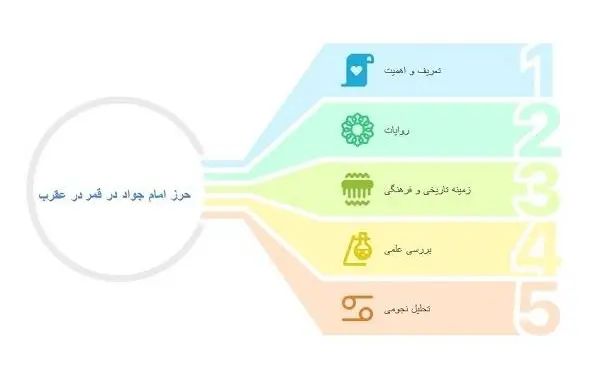
Title: Navigating Faith and Tradition: The Spiritual Significance of Timing in Shia Practice
In the rich tapestry of Shia Islamic tradition, the practices and supplications passed down through generations are followed with deep reverence. A recent analysis delves into one such practice—the use of the “Hirz of Imam al-Jawad”—and the traditional guidance surrounding its initial use during specific astronomical periods.
The Hirz of Imam al-Jawad: A Spiritual Safeguard
The Hirz of Imam al-Jawad (peace be upon him) is a well-known devotional prayer in Shia culture, attributed to the ninth Imam, Imam Muhammad al-Taqi. Often inscribed and carried as a protective amulet, it is considered a means of seeking divine protection from harm and adversity. Its use is documented in esteemed Shia scholarly works, underscoring its religious and cultural importance for the faithful.
Traditional Guidance and Celestial Timing
Within the traditional narratives, a specific recommendation exists regarding the initial use of this Hirz. It is advised that it should not be used for the first time during the period known as “Qamar dar Aqrab” or “the Moon in Scorpio.” This guidance, found in classical texts, aligns with a broader traditional view that cautions against commencing certain important undertakings, such as travel or marriage, during this astronomical phase. This reflects a historical inclination to align spiritual practices with what were considered auspicious timings, a concept present in various ancient cultures.
A Convergence of History, Culture, and Faith
The origins of this timing consideration are deeply rooted in historical and cultural contexts. Pre-Islamic civilizations, including the Babylonians and Greeks, often associated the constellation of Scorpio with intensity and transformation. These cultural beliefs found their way into various systems of thought, including early astronomical traditions, and were later reflected in some religious narrations. For believers, adhering to this guidance is a way of honoring the comprehensive nature of traditional teachings.
A Contemporary Perspective
From a modern scientific standpoint, astronomy—the study of celestial objects—does not provide empirical evidence to suggest that the moon’s position in a specific constellation has a tangible effect on human affairs or the efficacy of prayers. The traditional caution against using the Hirz during “Qamar dar Aqrab” is therefore understood by many contemporary scholars as a practice rooted in historical and cultural wisdom rather than a scientifically verifiable mandate. This perspective allows for a respectful acknowledgment of tradition while embracing modern rational thought.
Conclusion: A Matter of Faith and Prudence
The discussion around the Hirz of Imam al-Jawad and its recommended timing offers a fascinating glimpse into the interplay between deep-seated religious tradition and historical cultural beliefs. For the Shia community, it represents a nuanced aspect of their spiritual practice, where faith guides adherence to traditional norms. Ultimately, the decision to observe such timing rests with the individual’s personal conviction and dedication to the complete body of traditional guidelines, reflecting a faith that is both deeply principled and thoughtfully practiced.