Beyond Brinkmanship: Decoding Trump’s Psychological Strategy on Iran
In a recent analysis, Asghar Zargar, an esteemed Professor of International Relations, offered insights into what he describes as former U.S. President Donald Trump’s “war of nerves” strategy concerning Iran. Speaking with ILNA, Professor Zargar evaluated prevalent theories suggesting Trump’s recent negotiations and remarks were merely a tactic to gain time for a military buildup in the region, aimed at an eventual attack on Iran. Zargar posits that Trump’s approach was primarily psychological, designed to exert pressure and achieve specific political outcomes.
### The Psychological Gambit
Professor Zargar argues that the United States pursues distinct objectives regarding Iran, and Trump, in his view, employed multi-faceted pressure tactics. A key component of this strategy involved publicizing significant military deployments to the region, creating an impression of an imminent large-scale mobilization against Iran. This action, Zargar explains, constituted a form of “psychological warfare” or a “war of attrition” that persisted for over a month. The intention was to maintain a continuous threat, often articulated as the possibility of military action, to compel Iran into concessions.
### A Quest for a “Better Deal”
Drawing on psychologists’ descriptions of Trump’s personality as narcissistic and mercurial, Zargar suggests Trump’s ultimate goal was to distinguish himself from previous U.S. presidents by claiming to have “solved” the Iran issue. This ambition, whether through negotiation or military means, aimed to secure a deal more favorable to the U.S. than past agreements, notably the Joint Comprehensive Plan of Action (JCPOA). The overall objective was to present to the American public and the international community that, despite the costs and positions taken, Trump had successfully extracted concessions from Iran and reshaped the nuclear issue in America’s favor.
### Diplomacy in Motion
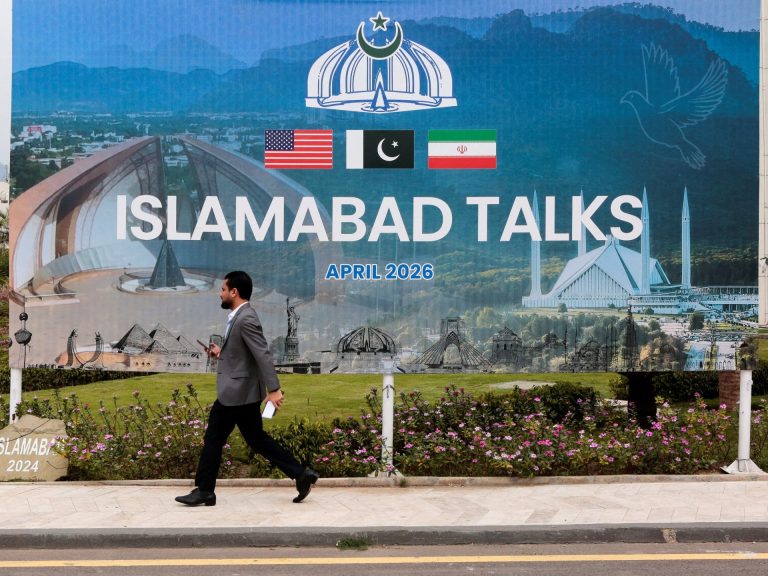
While acknowledging that the increased military equipment in the region could potentially serve as a cover for strengthening U.S. and Israeli defense systems, Professor Zargar emphasized the active role of diplomacy. He noted that recent negotiations, such as those reportedly held in Geneva, built upon prior exchanges, including a proposal package from Iran delivered to Oman’s Foreign Minister, and initial offers from the opposing side. He underscored that diplomacy’s fundamental nature involves placing proposals on the table to facilitate dialogue and eventually reach an agreement that aligns with the conditions and interests of all parties.
### Paving the Way for Direct Dialogue
Professor Zargar highlighted that diplomacy’s power lies in making the seemingly impossible possible. He referenced observations, even from Trump’s former Vice President, about the anomaly that while the U.S. can engage directly with fierce rivals like China, North Korea, or Russia, direct dialogue with Iranian leaders remains elusive. Zargar suggested that if a fair and honorable agreement, based on the country’s best interests, were to be achieved, direct communication between the Foreign Ministers of Iran and the U.S., whether by phone or in person, would not be an improbable outcome. Such an agreement could potentially encompass critical issues like regional security, a UN-brokered cessation of hostilities, or even a written truce between Iran and the U.S. concerning regional conflicts, possibly stipulating that Iran would only act in self-defense and refrain from military action against regional countries.
### Navigating a Complex Geopolitical Landscape
Professor Zargar also noted an environment of international animosity, which he attributed to U.S. actions against Iran. He pointed to concerns, with some Western accounts suggesting American and Israeli involvement, regarding internal unrest in Iran. In response to these situations, he explained, Iranian security forces had to manage the conditions, which contributed to shaping a challenging international perception of the Islamic Republic in the region and globally. Furthermore, he added that the U.S. and Israel have engaged with elements of the Iranian opposition residing abroad. European nations, once seen as intermediaries, have in some instances shifted towards supporting U.S. and particularly Israeli actions, with Germany notably aligning with Israel in certain developments, fostering a convergence of challenging stances against Iran.
### Iran’s Diplomatic Counterplay
Despite these challenges, Professor Zargar conveyed optimism that Iranian diplomacy could potentially reverse the tide. He believes that effective diplomatic maneuvers could prevent the U.S. from exploiting the international atmosphere to justify military actions against the Islamic Republic. Given Trump’s unpredictable nature, Zargar concluded that if the former president could successfully announce to the world and the American public that he had brought Iran to the negotiating table and resolved the nuclear issue, he would likely no longer contemplate military action. The resolution, in this scenario, would be achieved through the pressures of psychological warfare culminating in a diplomatic accord.