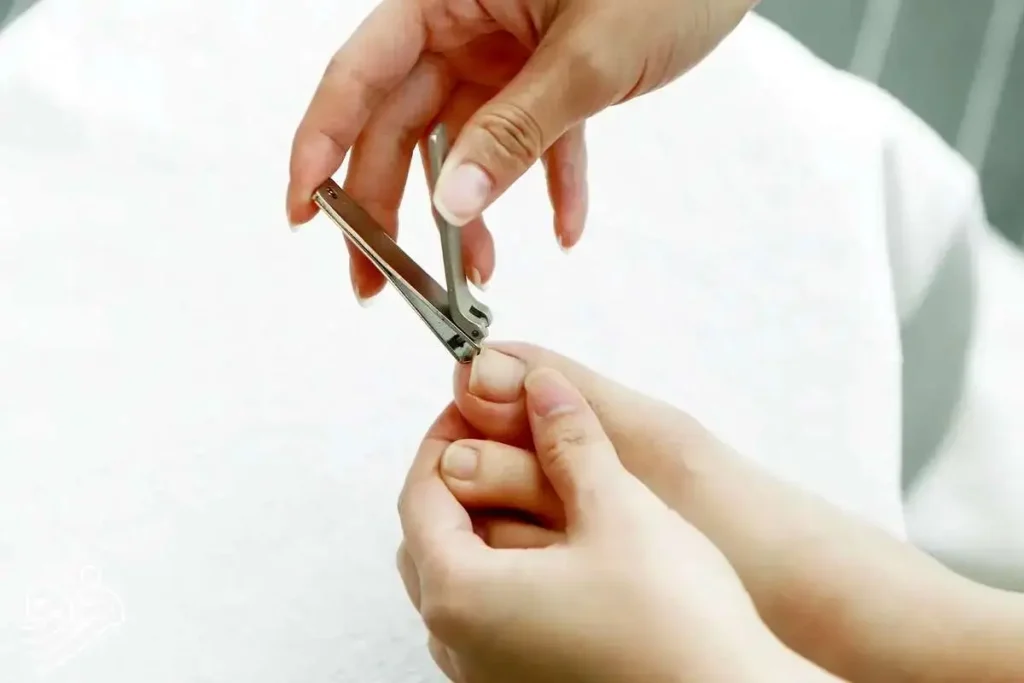
Title: Toenails as a Tell-Tale Sign: A New Frontier in Proactive Lung Health Screening
A Silent Threat in the Air
A groundbreaking discovery by Canadian researchers points to an unlikely part of the body as a key to assessing long-term health risks: our toenails. Scientists have identified that toenails can act as a biological archive, storing evidence of prolonged exposure to radon gas—a colorless, odorless radioactive gas recognized as the second leading cause of lung cancer globally, after smoking. This finding offers a potential breakthrough for identifying at-risk individuals, particularly non-smokers who are often overlooked in conventional lung cancer screening programs.
The Body’s Natural Archive
The research team from the University of Calgary found that toenails, due to their slow growth rate, accumulate and store radioactive isotopes that are byproducts of radon gas exposure over many years. This makes them a unique and durable record of an individual’s environmental exposure history.
How the Mechanism Works
Aaron Goodarzi, a biochemistry specialist involved in the research, explains the process: “After radon gas is inhaled, it decays into a form of radioactive lead. The body then stores this substance in tissues that regenerate more slowly, such as toenails, hair, and skin.” This storage mechanism allows for the long-term detection of exposure that would otherwise go unnoticed.
Promising Initial Findings
Preliminary studies have yielded significant results. In an analysis of toenail clippings from 55 individuals, the radioactive isotope Lead-210 (²¹⁰Pb) was present in 71 percent of the samples. Crucially, the toenails of people with long-term radon exposure contained approximately four times more of these isotopes than those with lower exposure. Remarkably, these isotopes remained detectable in the nails even six years after radon levels in the subjects’ homes had been reduced.
A Large-Scale National Investigation
Building on these promising results, a major follow-up study is now underway. This large-scale project aims to recruit 10,000 Canadians. Participants will be tasked with measuring radon levels in their homes and submitting several toenail clippings for laboratory analysis. This extensive data collection is expected to solidify the link and potentially establish toenail screening as a standard, non-invasive tool for public health initiatives aimed at proactive cancer prevention.