Senior Iranian Official Warns of ‘Zionist Ideology’ Driving Regional Destabilization
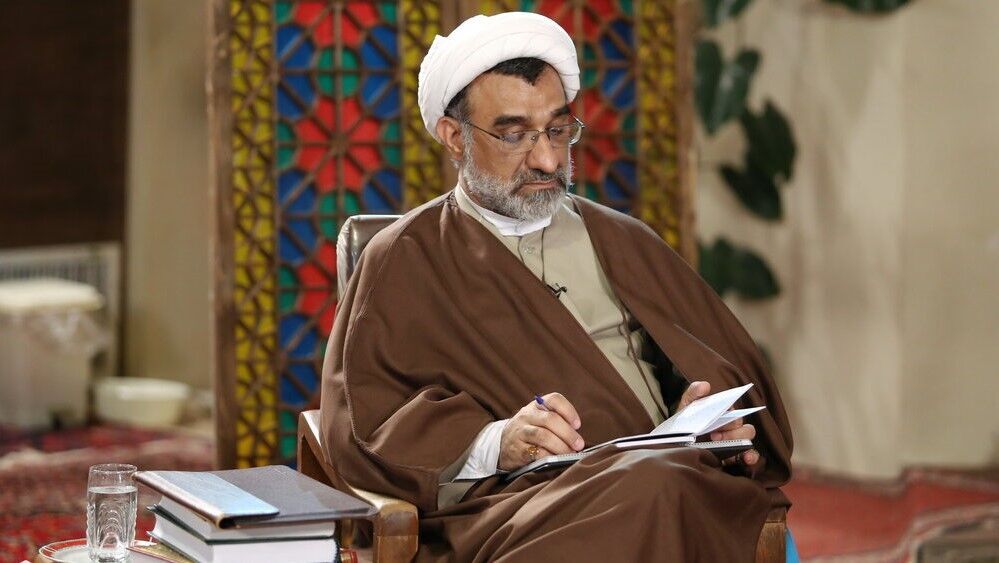
Tehran, Iran – A high-ranking Iranian official has issued a stark warning regarding what he describes as a pervasive “Zionist ideology” actively seeking to fragment the region and dominate global power resources. Hojjat al-Islam Abdolhossein Khosropanah, Secretary of the Supreme Council of the Cultural Revolution, conveyed this message during a recent “perception-building” meeting focused on spiritual steadfastness and national resilience.
Khosropanah began his address by offering condolences for recent martyrs, underscoring the severe human cost of ongoing conflicts. He asserted that the current regional war is a direct confrontation involving the United States, the “Zionist regime,” and other nations providing military support, including ground, missile, and air defense capabilities.
Ideology of Dominance and Fragmentation
According to Khosropanah, the core of the ongoing conflict lies not merely in economic rivalries but in a deeply rooted “Zionist ideology,” which he links to both Christian and Jewish Zionist currents. He characterized this ideology as stemming from “satanic thought,” deeply intertwined with secularism, materialism, and a relentless pursuit of global control over power and energy resources.
“This conflict is Zionist in nature,” Khosropanah stated, explaining that its proponents “stop at nothing” to achieve their objectives, even if it means sacrificing innocent lives. As an example of alleged hostile actions, he cited an attack on a girls’ school in Minab with an American surface-to-surface missile. He further elaborated that this “satanic” ideology is represented by figures such as former US President Donald Trump and Israeli Prime Minister Benjamin Netanyahu.
Historical Parallels and Enduring Struggle
The Iranian official drew extensive parallels between the contemporary geopolitical landscape and historical conflicts from early Islamic history. He described the current situation as a continuation of a “historical and civilizational war,” likening modern adversaries to groups that historically opposed Prophet Muhammad and the nascent Muslim community.
Khosropanah recounted episodes such as the Battles of Badr, Uhud, and Ahzab (Trench), where, he asserted, hostile groups, including certain Jewish tribes and polytheists, broke treaties and instigated conflicts against Muslims. He highlighted how these groups allegedly mobilized vast alliances and employed psychological warfare, reminiscent, he suggested, of current tactics used by the United States and the “Zionist regime,” which he accused of launching attacks even amidst negotiations.
He emphasized that while the modern manifestation of “Zionist ideology” is contemporary, its underlying thought and behavior patterns have deep historical roots, consistently aiming to divide and weaken opponents.
Warning Against Regional Disintegration
A central warning issued by Khosropanah focused on the alleged “Zionist” aim to fragment countries in the region, including Iran. He stated that this strategy seeks to seize control of energy-rich territories, thereby solidifying global power while leaving other resource-poor areas in poverty and deprivation.
However, Khosropanah expressed confidence that such ambitions would be thwarted by the “power and steadfastness of the Islamic fighters and the Iranian nation.”
Resilience Rooted in Faith and Spiritual Strength
The Secretary of the Supreme Council of the Cultural Revolution underscored that ultimate victory rests on divine will and spiritual perseverance. He stressed the importance of unity, mutual support among officials, and profound reliance on God’s assistance.
Khosropanah called upon the Iranian populace to strengthen their spiritual resolve through daily prayers and supplications, such as reciting “Hadith Kisa” for protection against enemy missiles and “Ziyarat Ashura” for divine support for Islamic fighters. He linked these spiritual practices to historical instances of divine intervention, such as the support granted to Muslims during the Battle of Badr.
A Fateful and Unprecedented Conflict
Khosropanah characterized the current confrontation as the most critical since the Islamic Revolution, surpassing even the eight-year imposed war, internal conflicts, and targeted assassinations of scientists. He noted the involvement of global superpowers, marking it as a highly sensitive and pivotal struggle for the nation’s destiny.
He concluded with a message of hope, asserting that through continuous prayer and reliance on divine aid, God would ultimately disgrace the enemies and grant decisive victory to the Iranian nation.