High-Stakes Diplomacy: Vance Navigates Strait of Hormuz Tensions Amidst Unlikely Reopening
Washington D.C. – In a climate of cautious pessimism, senior White House officials suggest that President Donald Trump has privately acknowledged the unlikelihood of a swift, full reopening of the Strait of Hormuz, a vital global trade artery that remains effectively closed despite a fragile truce between Washington and Tehran.
Iran Views Vance as a Potential Bridge
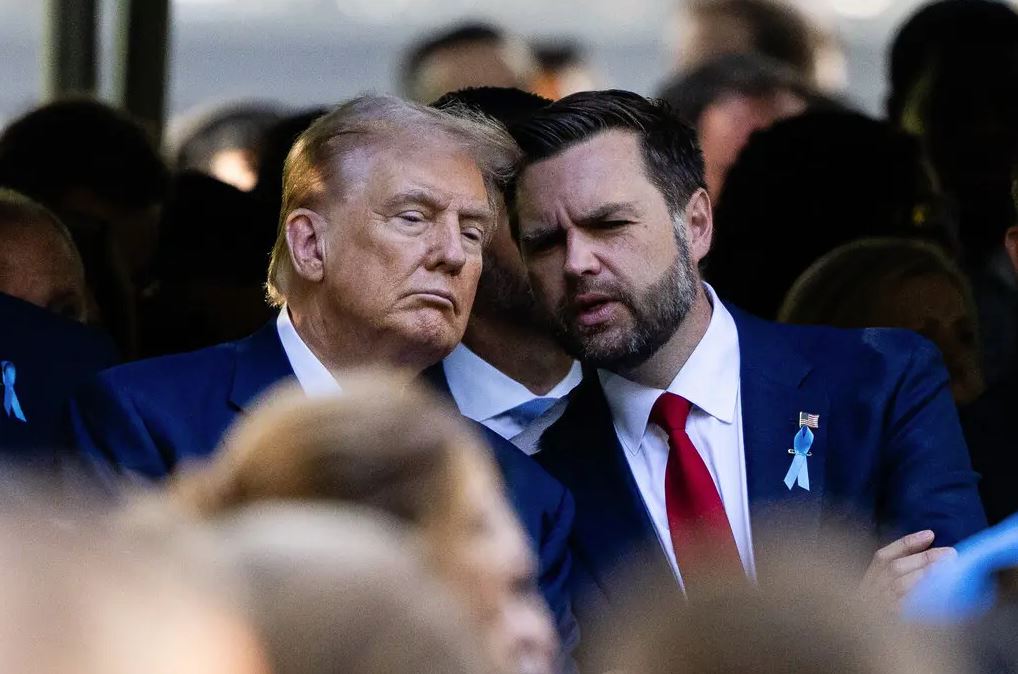
Regional sources and individuals familiar with the matter claim that Iran perceives Vice President J.D. Vance as one of the most anti-war figures within President Trump’s inner circle. This reputation, a long-standing facet of Vance’s political brand, has led Tehran to believe he is the most likely individual within Trump’s orbit to pursue an agreement with Iran in good faith.
However, there is no indication that Vance will adopt a more flexible negotiating stance than other envoys dispatched by President Trump, who has previously threatened to resume U.S. airstrikes should negotiations falter.
Trump’s Personal Decision-Making
A White House official stated that the decision to send Vice President Vance to Pakistan for discussions was a personal one by President Trump, who will ultimately determine the acceptability of any potential agreement.
The Vice President’s involvement, and whether Tehran’s assessment of him proves accurate, will be a significant factor in determining the success of the upcoming face-to-face negotiations, the first since the conflict began in late February.
Stakes High for Both Nations
This development is of paramount importance for Iran and the Trump administration, both of which are seeking a path toward de-escalation just seven months ahead of a competitive November midterm election.
For Vice President Vance, a potential contender for the Republican presidential nomination in 2028, successful negotiations could offer significant political upside. Conversely, analysts suggest that prolonged or failed talks could entangle him with a complex foreign entanglement that has resulted in civilian casualties and contributed to rising fuel prices and inflation.
Key Players and Lingering Mistrust
Vance will be accompanied on the trip by Trump’s son-in-law, Jared Kushner, and White House Special Envoy Steve Witkoff. Sources indicate that Iranian leaders view both Kushner and Witkoff with skepticism following two previous rounds of failed negotiations that ultimately led to U.S. airstrikes.
While one White House official denied claims that Iranians would prefer to negotiate with Vance, a third official asserted that Iran had indeed expressed a desire for Vance’s participation, without providing a specific reason.
A Path Forward, Contingent on Reciprocity
Departing for Pakistan, Vice President Vance stated that he would negotiate in good faith, but only if Iran reciprocates. “We are certainly willing to extend our hands,” Vance commented.
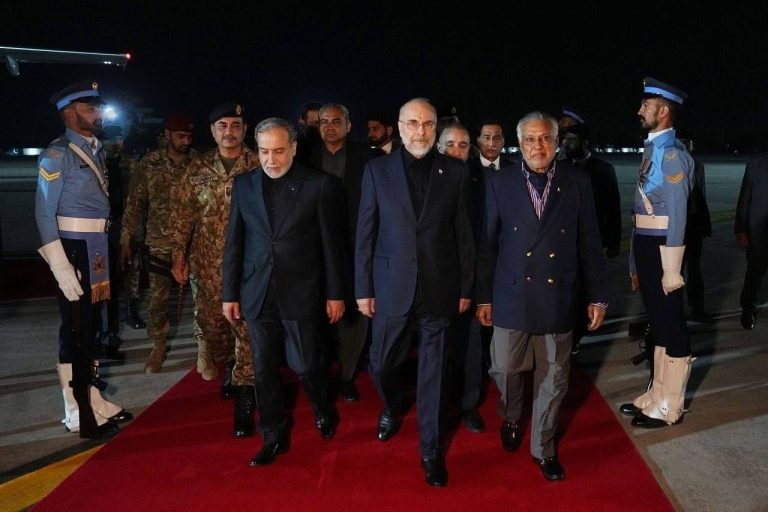
A senior regional diplomat suggested that among those who have supported Vance in taking on the role of chief U.S. negotiator is Mohammad Bagher Ghalibaf, the Speaker of the Iranian Parliament. Ghalibaf, along with Foreign Minister Seyed Abbas Araghchi, is expected to represent Iran in Islamabad.
Two individuals familiar with the administration’s deliberations revealed that some White House officials had identified Ghalibaf in recent weeks as their preferred negotiating counterpart, believing the former Mayor of Tehran possesses a pragmatic disposition conducive to reaching an agreement.
From Tehran’s perspective, the regional diplomat contended, Vance holds greater political weight as a high-ranking official compared to Witkoff and Kushner.
Another senior White House official reiterated that a mood of pessimism pervades the White House. This official indicated that President Trump appears to have privately conceded in recent discussions with his advisors that a complete reopening of the Strait of Hormuz is unlikely in the near future.