India Navigates Shifting Global Dynamics, Deepens Ties with Russia Amidst Energy Security Concerns
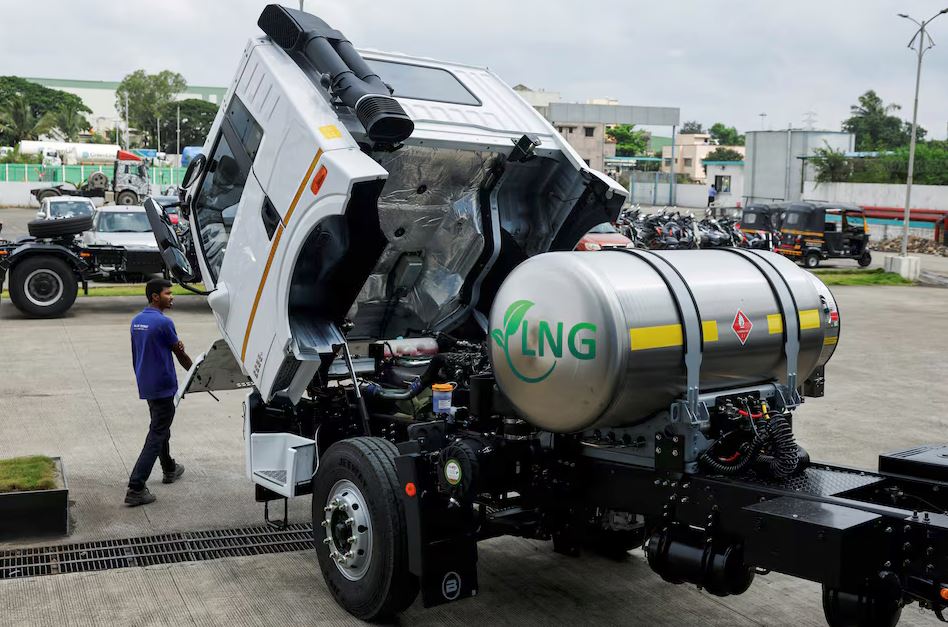
New Delhi: India is reportedly in advanced discussions with Russia to resume direct sales of Liquefied Natural Gas (LNG) for the first time since the conflict in Ukraine began, a move that signals a strategic recalibration of its energy partnerships. This development follows an earlier decision by New Delhi to reduce its crude oil imports from Russia, a move widely seen as a concession to the United States.
Energy Diplomacy and Strategic Realignment
The burgeoning cooperation between India and Russia in the energy sector was solidified during discussions between Russian Deputy Energy Minister Pavel Sorokin and Indian Petroleum and Natural Gas Minister Hardeep Singh Puri in New Delhi on March 19th. Sources indicate a verbal agreement was reached to negotiate an LNG contract, with potential finalization within weeks should India decide to proceed. This potential deal, however, carries the implication of navigating Western sanctions.
These intensified energy discussions occur against a backdrop of escalating global energy prices. India, a major global oil importer and consumer, had significantly reduced its Russian crude oil purchases following the imposition of hefty tariffs by the Trump administration on Indian goods. However, the disruptions to energy flows from the Middle East have prompted a swift reassessment by New Delhi.
Strengthening Economic and Trade Relations
Beyond LNG, both nations have also agreed to further increase crude oil sales, potentially doubling Russia’s share in India’s imports to at least 40% within a month, compared to January levels. This comes after India became a substantial buyer of Russian crude post-Ukraine conflict, benefiting from significant discounts. Last year, India purchased nearly $44 billion worth of crude oil from Moscow, playing a crucial role in the Kremlin’s war economy.
India has also signaled to its energy importers readiness to resume Russian LNG purchases, having previously engaged in consultations with Washington regarding potential sanction exemptions. The Indian Ministry of External Affairs has acknowledged ongoing negotiations with several countries for energy security, including LNG, while also noting the purchase of Russian liquefied petroleum gas (LPG) for cooking, which is not subject to sanctions.
Historical Ties and National Interest
Ajay Malhotra, former Indian Ambassador to Moscow, emphasized that India is charting a course that best serves its national interests, rooted in a long-standing and trusted partnership with Russia. He noted that India now seeks exemptions or facilitation as a “normal part of negotiations between strategic partners.”
Russia, leveraging its historical goodwill with India since the Cold War, is also exploring broader economic collaborations. This includes proposals for cooperation in power transmission infrastructure and an expansion of air connectivity, with a focus on increasing direct flights.
The strengthening of bilateral economic ties is also evident in the significant increase in the use of the rupee and ruble for trade settlements, with Russian Foreign Minister Sergey Lavrov highlighting that 96% of bilateral trade is now conducted in these currencies. This shift facilitates faster and more efficient transactions, underscoring the deepening economic integration between the two nations.
The recent trade dynamics and India’s strategic energy decisions highlight its proactive approach to ensuring energy security and fostering economic stability amidst a complex and evolving global geopolitical landscape.