Navigating the Deepfake Deluge: An AI Expert’s Blueprint for Political and Societal Resilience
The rapid advancement of deepfake technology has plunged the global information landscape into an era of uncertainty, where distinguishing truth from fabrication in visual and auditory content is increasingly challenging. This proliferation of convincing, yet false, images and videos poses a direct threat to public trust in “visual truth,” with profound implications for societal stability, information security, and political decision-making.
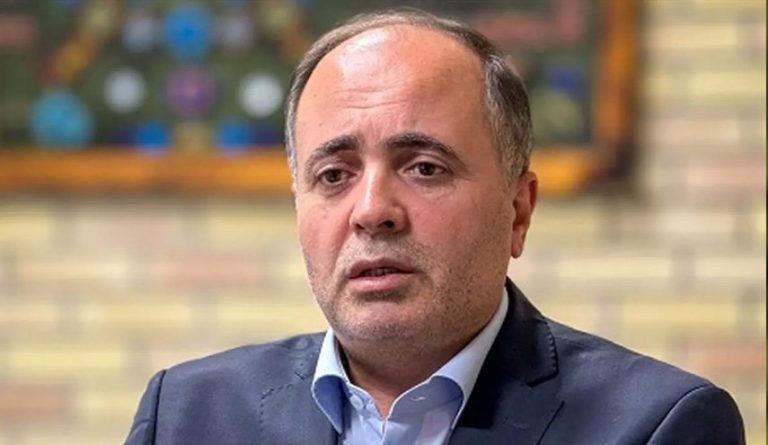
Addressing this critical issue, Dr. Seyed Mahdi Shariat Zadeh, a prominent AI expert and director of the AI Association of Iran’s Consulting Center, offers a comprehensive blueprint for navigating this complex terrain. He asserts that while generative artificial intelligence presents vast opportunities, it also necessitates a proactive, multi-pronged strategy to preserve information integrity.
Generative AI: A Double-Edged Sword
Deepfakes are a significant byproduct of the recent surge in generative AI capabilities. Over seventy years of AI evolution have culminated in powerful algorithms capable of creating highly realistic synthetic content. Dr. Shariat Zadeh highlights the immense productivity gains offered by generative AI – reporting a 500% increase in software development and nearly twenty-fold growth in media production. However, this same transformative power also provides fertile ground for the creation and dissemination of misleading content, giving rise to the deepfake phenomenon. The expert notes that the true impact of deepfakes transcends the technology itself, stemming from their social consequences and the way audiences engage with them.
The Crisis of Visual Truth
The rise of deepfakes fundamentally challenges the traditional role of visual media as reliable evidence. Historically, legal systems globally have grappled with the credibility of evidence. In Iran’s legal framework, for instance, direct witness testimony has traditionally held precedence over recorded video or audio, which serves as supplementary evidence for a judge’s discretion rather than standalone proof. Conversely, some Western legal systems have historically accepted recorded media as judicial evidence. However, with the advent of generative AI, these systems are now actively re-evaluating and updating their laws, considering measures such as mandatory watermarking for AI-generated content. This global reassessment underscores the universal erosion of trust in unverified visual information, making media literacy a critical skill for the modern citizen.
Flawed Defenses: The Limits of Detection Technology
While efforts to develop AI-based detection tools for deepfakes are underway, Dr. Shariat Zadeh cautions against over-reliance on technology alone. Experience and research demonstrate that no single method or tool can definitively identify all AI-generated content. Moreover, a counter-industry of tools designed to circumvent deepfake detectors has emerged, further complicating verification efforts. The expert cites instances where established detection software has mistakenly flagged centuries-old texts as AI-generated, highlighting the significant flaws and limitations of current technological solutions.
A Multi-Faceted Strategy for Resilience
Dr. Shariat Zadeh advocates for a comprehensive approach that moves beyond purely technological or legal fixes. He outlines a strategy built on two core pillars:
- Proactive Measures: Elevating public media and visual literacy to empower individuals to critically assess content.
- Reactive Measures: Supporting advanced deepfake detection technologies and developing robust legal frameworks for mandatory labeling of AI-generated content.
Crucially, media organizations bear a heightened responsibility. Editorial teams must not only master technical verification tools but also cultivate critical thinking and ethical journalistic practices to navigate the complexities of the deepfake era.
Safeguarding Public Trust and Political Decision-Making
The erosion of trust in visual evidence carries severe implications for public confidence, information security, and the integrity of political and social decision-making. As society adapts to an environment where information is increasingly manipulated, the expert stresses that the impact of fake messages is directly correlated with the level of media and visual literacy within a community. Without concerted efforts to enhance these skills, societies remain vulnerable to widespread deception, potentially leading to misinformed public opinion and misguided policy choices.
Deepfakes: Opportunity for a Critical Society
Contrary to a solely negative perception, Dr. Shariat Zadeh posits that deepfakes, like many transformative technologies, present more of an opportunity than a threat. He argues that the capacity of this technology to disseminate accurate narratives far outweighs its potential for misinformation. From this perspective, deepfakes are not merely eroding public trust but are fostering a more realistic and critically discerning audience. The expert views this as a natural maturation of society’s interaction with media, compelling both creators and consumers to adopt a more skeptical and evaluative approach to all content. This shift, he concludes, can ultimately lead to a more resilient and informed citizenry.