Gulf States Intensify Information Control Amidst Regional Tensions
In a significant move highlighting the escalating geopolitical sensitivities in the region, Abu Dhabi police have confirmed the arrest of 45 individuals of various nationalities. These arrests stem from the sharing of videos depicting recent missile and drone incidents involving Iran and the United Arab Emirates, underscoring a broader regional effort to manage public narratives during times of heightened tension.
UAE Acts on Information Dissemination
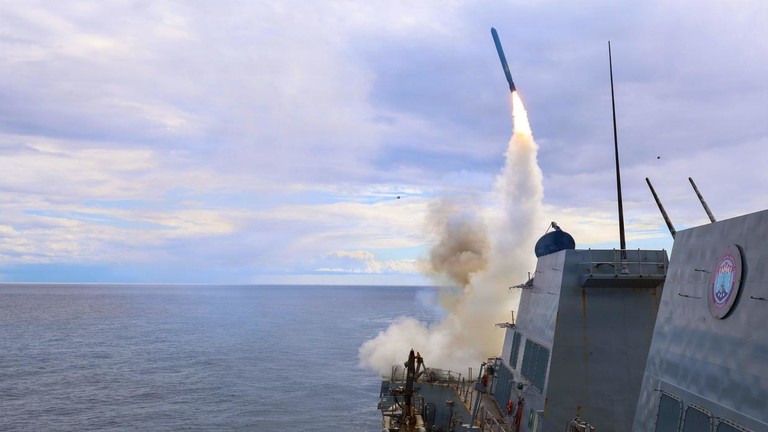
The arrests were announced by Abu Dhabi police, who stated that the dissemination of videos related to Iranian missile and drone attacks targeting the UAE could incite public concern and fuel the spread of rumors within the community. Legal and administrative actions have been initiated against those responsible. This development follows reports earlier in the week from a consultancy firm, indicating that 21 individuals, including a 60-year-old British national, had already been charged under the UAE’s cybercrime laws for filming these incidents.
Geopolitical Context and Iran’s Stance
The incidents prompting these measures occur within a complex regional backdrop. Iran has stated that it has extensively targeted US bases and other American assets in Gulf countries since what it describes as “US and Israel attacks” commenced in late February. Tehran has consistently affirmed that while it harbors “no hostility” towards its neighbors, it views Washington’s facilities as “legitimate targets” in this context. This declared stance frames the geopolitical environment within which regional states are implementing information control measures.
A Broadening Trend Across Gulf Nations
The UAE’s actions are not isolated. This week has seen similar measures enacted by other Gulf nations. Qatar previously announced the detention of over 300 individuals for filming Iranian attacks, and Bahrain subsequently reported the arrest of six individuals on similar charges. This coordinated approach points to a shared regional concern over the uncontrolled flow of information during periods of conflict.
Expert Warnings on Freedom of Expression
Radha Stirling, CEO of Detained in Dubai, commented on the situation, noting that the charges, while “very vague,” are “serious on paper.” She cautioned that what might be considered normal social media behavior elsewhere could lead to arrest in the UAE, potentially encompassing actions as simple as sharing or commenting on already circulating online videos. Stirling emphasized that if Gulf governments begin arresting expatriates for sharing or discussing news during a conflict, it risks undermining the carefully cultivated image of these nations as secure, modern international hubs.
Parallel Censorship Measures Elsewhere
The control over information extends beyond the Gulf states’ responses to these specific incidents. Israel has also intensified censorship during the ongoing conflict, which it states began in cooperation with Washington. Measures include prohibiting live broadcasts of city skies during missile attacks, images identifying attack locations, and other content deemed a security threat. This illustrates a broader trend among states in the region to manage public information flows during periods of perceived security challenges and conflict.