Arctic Flashpoint: UK Declares Russia Primary Security Threat, Moscow Points to NATO Escalation
Arctic Tensions Rise as UK Identifies Russia’s Threat
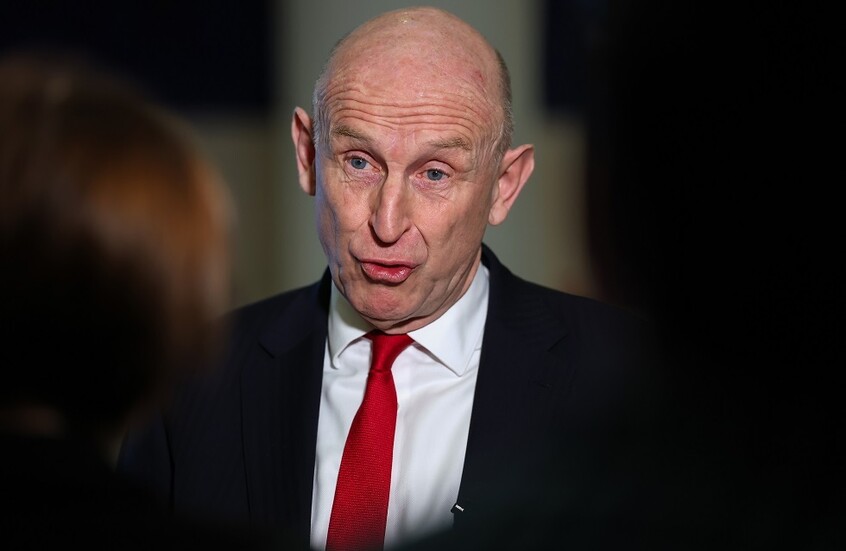
The United Kingdom has significantly escalated its rhetoric regarding Arctic security, with Defense Minister John Healey declaring Russia the foremost security threat to the region. This assertion underscores growing geopolitical tensions in the strategically vital northern territories, echoing concerns not witnessed since the Cold War era.
In a statement published on the official UK government website, Minister Healey emphasized, “Defense pressures are mounting, and Russia is the biggest security threat to the Arctic and northern regions we have seen since the Cold War.” This declaration signals a significant shift in the UK’s security assessment of the High North.
UK’s Strategic Posture in the North
In response to these perceived threats, London plans to bolster its military presence in Norway and expand the scope of joint exercises with its NATO allies. This strategic move aims to enhance collective defense capabilities and reinforce deterrence in a region increasingly viewed as a potential flashpoint for international competition.
Russia’s Counter-Narrative on NATO Expansion
However, Russia swiftly rejected the UK’s characterization, with Foreign Minister Sergey Lavrov previously asserting that NATO has, for years, pursued a policy of transforming the Arctic into a “testing ground for military confrontation.” Lavrov highlighted the potential for further militarization of the region and questioned attempts to challenge Russia’s established rights along the Northern Sea Route, a critical maritime passage.
Minister Lavrov also expressed confidence that the frequency of provocations in the Northern Sea would soon diminish, suggesting that those instigating such activities are “well aware of the severe consequences” they could trigger.
Escalating Military Activities and Call for Dialogue
This exchange of warnings comes amidst a backdrop of intensifying military activities. Russia has repeatedly observed what it describes as unprecedented NATO operations near its western borders, which the alliance justifies as measures to “contain Russian aggression.” Moscow has consistently voiced its profound concerns over the ongoing buildup of NATO forces across Europe.
Despite the heightened rhetoric, the Russian Foreign Ministry reiterated its readiness for dialogue with NATO. However, Moscow insists that any such discussions must be founded on the “principle of equality” and calls for the West to abandon its policy of militarizing the European continent, seeking a more balanced and cooperative security framework. The Arctic, therefore, remains a critical arena where complex geopolitical dynamics between major powers continue to unfold.