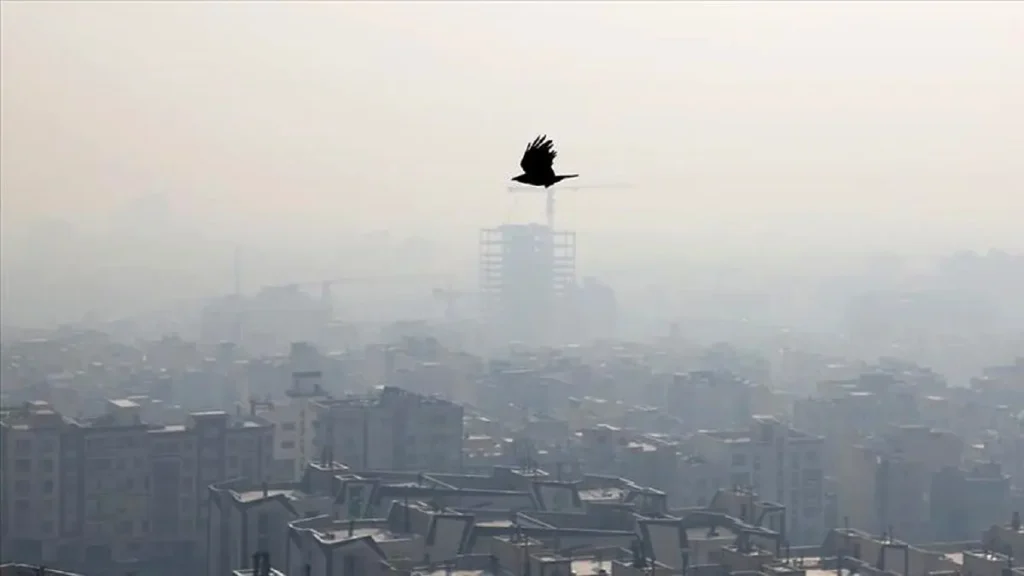
Mashhad’s Air Quality Prompts Official Vigilance and Public Health Focus
Mashhad, a prominent city and a major religious and cultural center in Iran, is currently experiencing unhealthy air quality levels, leading to increased attention from city officials and public health authorities. Recent reports indicate that the Air Quality Index (AQI) has reached levels considered detrimental to sensitive groups, underscoring the ongoing importance of robust urban environmental health management.
Current Air Quality Status
According to official reports recently released on Friday, March 1st, Mashhad’s 24-hour average AQI registered at 126, categorizing it as ‘unhealthy for sensitive groups.’ The current index stands at 103, maintaining this status. While meteorological data for the day indicated clear skies, comprehensive monitoring across the city’s stations reveals widespread air quality concerns.
Affected Zones and Public Health Implications
Detailed analysis from air quality monitoring stations highlights that several areas within Mashhad are experiencing significantly poor air quality. Stations in Nakhrisi, Vahdat, and Resalat have reported a ‘red’ status, signifying air quality deemed unhealthy for all population groups. In contrast, stations in Toroq and Emamieh recorded ‘yellow’ or acceptable levels. However, the majority of other monitoring sites across the city reported an ‘orange’ status, indicating conditions unhealthy for sensitive populations such as children, the elderly, and individuals with respiratory or heart conditions.
Urban Governance and Public Welfare
The recurring challenge of air pollution in a major metropolis like Mashhad underscores critical aspects of urban governance and public welfare. The continuous monitoring and official reporting of air quality by authorities are vital in informing citizens and enabling necessary precautions, particularly for vulnerable segments of the population. This commitment to transparency and public awareness reflects the ongoing efforts to manage environmental challenges within the framework of national urban development and public health priorities. The situation underscores the necessity for sustained attention to environmental factors that impact the daily lives and health of Mashhad’s residents, emphasizing the collective responsibility towards a healthier urban environment.