Hula Hooping: The Resurgent Fitness Trend for Active Aging
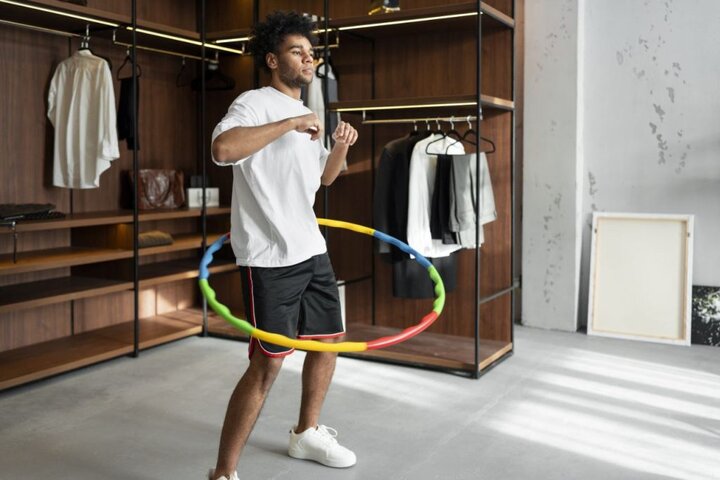
A surprising fitness tool with ancient roots is making a major comeback, not on playgrounds, but as a favored low-impact workout for maintaining health and vitality in later years. This activity, the hula hoop, is being championed by celebrities and fitness experts alike as an ideal exercise for older adults.
From Ancient Ritual to Modern Fitness
The history of the hula hoop stretches back millennia. Its origins are traced to ancient Egyptian and Greek civilizations, where hoops made from grape vines or willow were used for recreation and sport. In the 15th century, Indigenous peoples of the Americas used similar hoops in religious ceremonies to symbolize the concept of eternal life.
The modern iteration gained worldwide popularity in the 1950s after an American toy company was inspired by Australian children playing with bamboo hoops. The company’s plastic version became a global social phenomenon, selling over 25 million units in its first few months. While its popularity waned by the late 1960s, the hula hoop never disappeared and has now returned as a recognized fitness trend.
A Celebrity-Approved Workout
The hula hoop’s effectiveness is endorsed by prominent figures. American actress and Oscar-winner Marisa Tomei, 60, has revealed it as her secret to staying fit, describing it as her favorite part of her daily exercise routine. It is also popular among other celebrities, including former First Lady Michelle Obama, pop star Beyoncé, and basketball legend Shaquille O’Neal, as part of their fitness regimens.
Why It’s Ideal for Older Adults
As high-impact exercises like running become more challenging with age, the hula hoop offers a safe and effective alternative. Fitness expert Abhi Singh Thakur describes it as a fun, low-pressure activity that is gentle on the joints while offering significant health benefits.
Key advantages include:
- Improved Balance and Posture: The core movements strengthen torso muscles and stimulate the vestibular system, which is responsible for balance. A 2001 Chinese study on the role of hula hooping in balance training for the elderly confirmed it improves flexibility and stability, thereby reducing the risk of falls.
- Enhanced Flexibility and Joint Health: The continuous motion of the hips and waist increases spinal flexibility, joint mobility, and stretches the muscles of the limbs.
- Cardiovascular Health: Hula hooping is a moderate-intensity cardio workout. A University of Wisconsin study on female participants found that 30 minutes of hula hooping raised the heart rate to 151 beats per minute, offering benefits similar to traditional aerobic exercises.
- Mental and Emotional Well-being: The activity releases endorphins, which help improve mood, reduce stress, and combat anxiety. It also engages the brain, boosting concentration and cognitive functions.
- Muscle Strengthening and Bone Density: As a full-body workout, it engages the core, arms, legs, and glutes, helping to combat age-related muscle loss. It can also positively impact bone density, reducing the risk of fractures.
A Note of Caution
Despite its many benefits and adaptability, hula hooping may not be suitable for all seniors, particularly those suffering from osteoporosis or joint inflammation. As with any new physical activity, it is recommended to consult with a physician before beginning to ensure it is appropriate for one’s individual health condition.