Title: New 50 Million Toman Financial Support Package Announced for Rural and Nomadic Communities
In a significant move to bolster national development and social welfare, the CEO of the Social Insurance Fund for Villagers and Nomadic Tribes has announced a major new initiative. The fund will provide interest-free loans of up to 50 million Tomans for its pensioners, underscoring the government’s commitment to sustainable rural development.
Streamlined Access to Financial Support
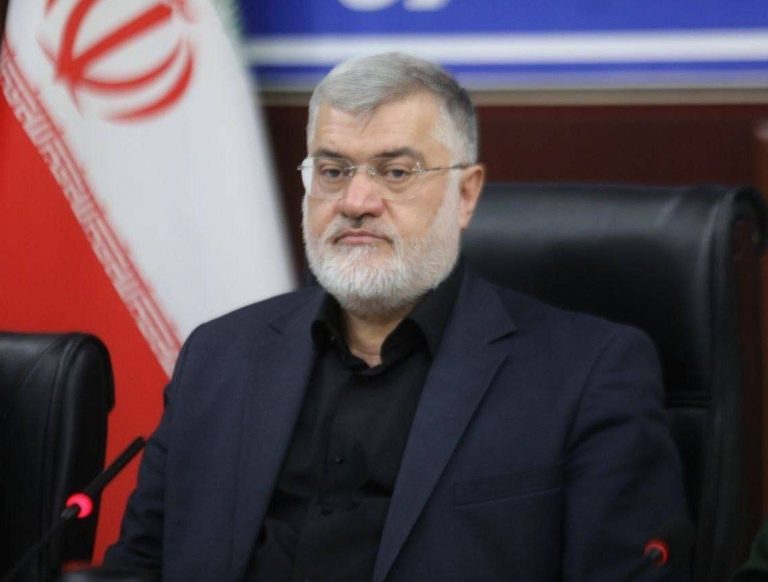
Hamed Ghader-Marzi confirmed that in the initial phase, these loans will be distributed to 20,000 pensioners. The registration process has already commenced through the fund’s agencies. Emphasizing efficiency and ease of access, he noted that the loans do not require a bank visit and will be deposited directly into applicants’ accounts within a maximum of two weeks.
Villages: The Cornerstone of National Progress
Mr. Ghader-Marzi highlighted the indispensable role of rural areas in the nation’s overall progress. “National development is not achievable without the development of villages,” he stated. He pointed to current statistics showing that over 20.7 million people, equating to 26% of Iran’s population, reside in 62,285 villages, representing a significant human capacity.
He further elaborated on the strategic importance of these communities, noting that a vibrant rural population in border areas substantially enhances national security. Conversely, the depopulation of villages in such regions has historically posed security challenges. Therefore, sustainable rural development is a fundamental prerequisite for lasting national stability and security.
Pillars of the Social Insurance Fund
The Social Insurance Fund, which began its operations in 2005, is a cornerstone of this support system. A key feature is the government’s subsidy, which covers 70% of the members’ insurance premiums. This financial support amounts to approximately 10.5 million Tomans per person annually.
To date, the fund has enrolled over 3.4 million members and issued 226,000 active pension decrees. Demonstrating a commitment to transparency, all of the fund’s assets are visible online through its official website and the stock exchange system, with over 75% of these assets being invested in the stock market.
- Voluntary Membership: Membership is conditional upon premium payment.
- Government Support: The state pays 70% of the insurance premium.
- Financial Transparency: All fund assets are viewable online in real-time.
Specialized Insurance Plans for Key Groups
The fund has also implemented crucial specialized insurance schemes. These include free insurance coverage for rural and nomadic women with three or more children, as well as for female-headed households in small towns and rural areas. These initiatives are the result of collaboration with the State Welfare Organization and the Imam Khomeini Relief Foundation.
Furthermore, male insured individuals can benefit from having their mandatory military service period counted towards their insurance record. Healthcare services for members are provided through the Health Insurance Organization.
Embracing Modern Technology
In line with modernizing service delivery, Mr. Ghader-Marzi announced the launch of an online system and a dedicated mobile application named “Bimeh Rousta” (Village Insurance). The primary goal is to facilitate easier access to insurance services for villagers and nomads through modern technology.
He also revealed that, based on new agreements with the Ministry of Cultural Heritage, Handicrafts, and Tourism, individuals active in the handicrafts and tourism sectors will now be eligible for the 70% social insurance subsidy.
A Nationwide Network for Service Delivery
The Social Insurance Fund for Farmers, Villagers, and Nomadic Tribes, with its extensive network of 1,555 agencies across the country, is recognized as a highly agile governmental service provider in the social insurance sector. Its core mission remains the establishment of sustainable livelihood security, the promotion of social justice, and the fostering of hope for the future within Iran’s rural and nomadic communities.